
What Does Saudade Mean?
There’s a Portuguese word—saudade—that carries in its very sound a sigh. It’s often translated as “nostalgia” or “longing,” but saudade goes deeper. It’s the quiet ache for something that once was, the outline of what might have been, and the tender beauty of remembering.
Unlike simple nostalgia, saudade is both pain and comfort. It’s the emotional bridge between presence and absence, a reminder that to have loved, seen, or experienced something deeply is to always miss it a little.
The Origins of Saudade: Born From the Sea
The story of saudade begins in Portugal’s Age of Discovery. When sailors departed toward unknown horizons, they left behind families, lovers, and the certainty of return. The ones who stayed waited—sometimes for months, sometimes forever—with only silence and sea winds for company.
From that waiting, saudade emerged—a word to name the unnamed space between hope and loss. It became not just a feeling but part of the Portuguese identity, a collective emotional inheritance passed through generations.

Saudade Across Time: Memory, Desire, and Hope
Saudade exists across three tenses. It remembers what once was, it aches for what is missing, and it quietly hopes for what might return.
When someone says tenho saudades de ti, it isn’t merely “I miss you.” It means “I carry your memory within me.” It’s love stretched across time—proof that absence does not erase connection.
Saudade in Portuguese Culture: The Sound of Fado and the Soul of Lisbon
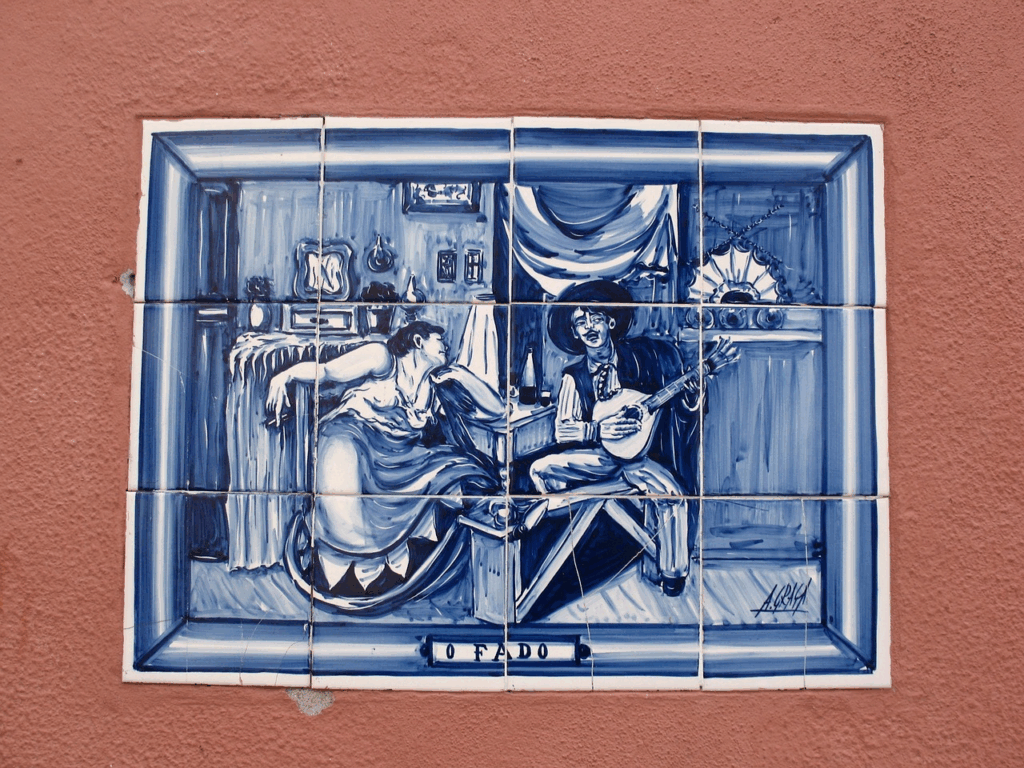
Walk through the old quarters of Lisbon, and you’ll hear saudade in every Fado song that echoes from a dimly lit tavern. The music, with its mournful guitars and trembling voices, is not just about sadness—it’s a celebration of love and loss intertwined.
Writers like Fernando Pessoa captured it in words, singers like Amália Rodrigues carried it in song, and travelers continue to feel it in the narrow cobbled streets where the past never truly fades.
Saudade isn’t only cultural; it’s atmospheric. It lives in the golden light of Lisbon at dusk, in the taste of coffee sipped alone, in the slow rhythm of a place that remembers.
How to Recognize Saudade in Your Own Life
You don’t have to speak Portuguese to feel saudade. You might sense it when leaving a place that changed you, when seeing an old photograph, or when realizing that a version of yourself belongs to a different time.
It’s that quiet pull toward something intangible—the bittersweet recognition that beauty often carries impermanence.
Learning to Live With Saudade
In Portuguese, people sometimes say matar as saudades—to “kill” the feeling of longing. But saudade isn’t meant to be killed. It’s meant to be held, understood, and transformed.
Because in the space between what was and what remains lies everything that makes us human: memory, tenderness, and time.
So the next time you feel that familiar ache—that soft tug toward a person, a place, or a fleeting moment—don’t turn away. Sit with it. Let saudade remind you that even absence can be a form of presence.
Leave a Reply