
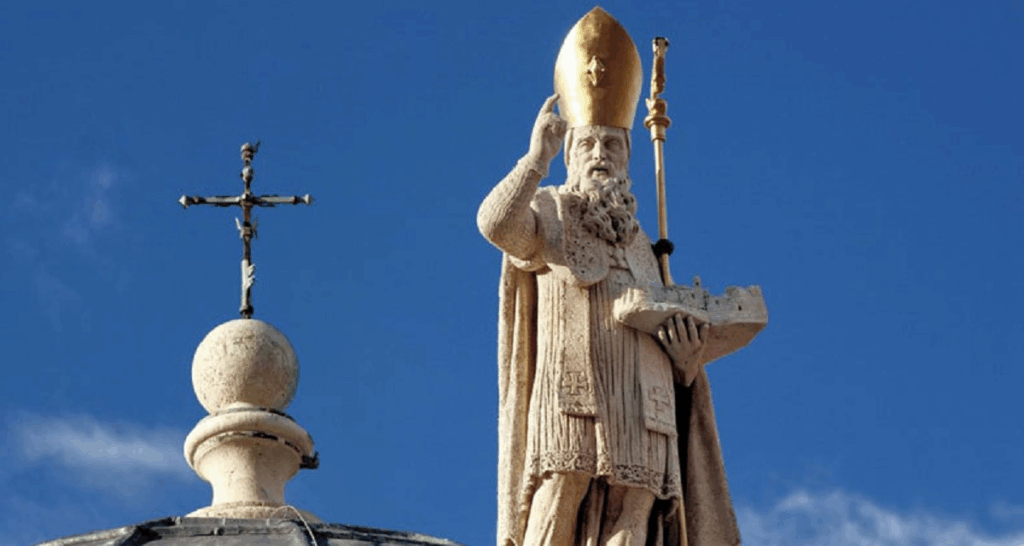
A Martyr from Distant Lands
Long before Dubrovnik rose as the proud Republic of Ragusa, the story of Saint Blaise — or Sveti Vlaho, as locals lovingly call him — began far away in Sebaste, a city in ancient Armenia. Born around the late third century, Blaise was a physician and bishop known for healing both body and spirit. His faith led to martyrdom in 316 AD under Roman persecution, but his legacy only grew stronger, spreading across Christendom until it reached the Adriatic shores.
The Night the Saint Saved Dubrovnik
In the 10th century, Dubrovnik was a thriving maritime city, balancing alliances and rivalries with great powers like Byzantium and Venice. According to local tradition, one fateful night in 972 AD, Venetian ships anchored near the city under the pretext of trade. In reality, they planned an invasion. That same night, a local priest named Stojko saw a vision of an elderly man dressed as a bishop inside the Church of Saint Stephen. The figure revealed himself as Blaise and warned the priest of the impending danger.
The city’s leaders were alerted, defenses were raised, and the Venetian attack was thwarted before it began. From that moment, Dubrovnik declared Saint Blaise its eternal protector. His image adorned its coins, flags, and city walls, and his feast day, February 3rd, became one of the most important celebrations in the city’s calendar — a living tribute to faith, vigilance, and deliverance.
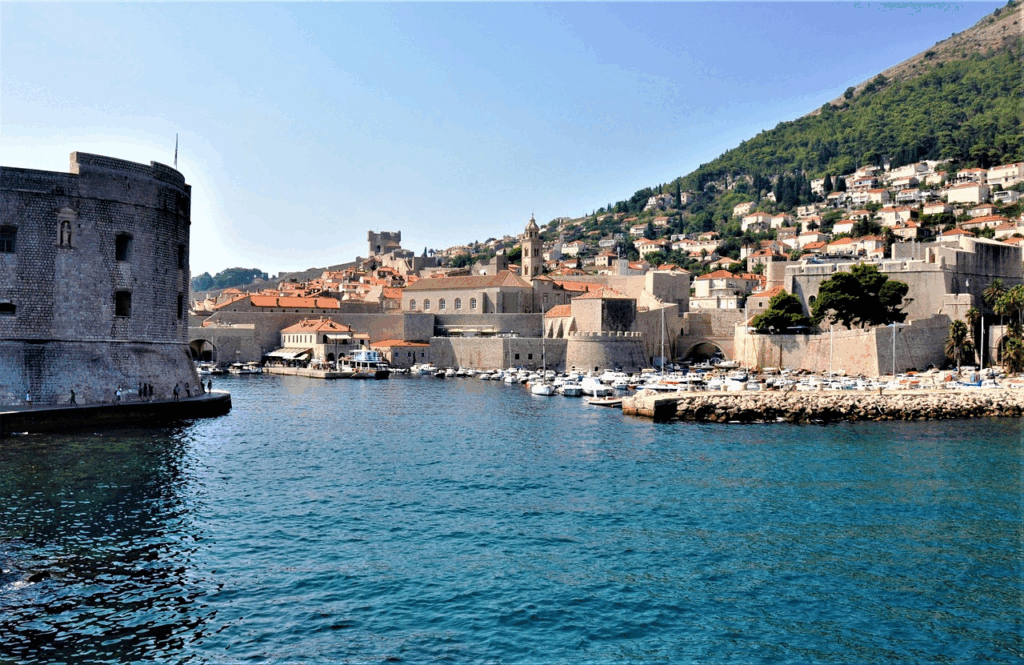
The Faith That Shielded a City
Under the banner of Saint Blaise, the Republic of Ragusa flourished as a beacon of diplomacy, trade, and freedom. While empires rose and fell around it — from Venice to the Ottomans — Dubrovnik maintained its independence through clever negotiation and deep spiritual conviction. Citizens believed that their survival was not just the result of political skill, but of divine protection.
Legends from the Ottoman period tell of armies that faltered before reaching the city, of omens that turned foes away, and of prayers that seemed to turn the tides of history. Whether miraculous or metaphorical, the faith in Sveti Vlaho became part of Dubrovnik’s identity — a spiritual defense as real as its mighty stone walls.
A Covenant of Liberty
Every year, on the Feast of Saint Blaise, the city renews its ancient covenant. Bells ring across the old town, white doves are released as symbols of peace, and processions fill Stradun with color and reverence. Historically, this day also brought sloboština — a temporary amnesty that allowed exiles and debtors to return freely, reflecting the saint’s mercy and the city’s spirit of unity.
Through centuries of storms, earthquakes, and wars, the figure of Sveti Vlaho has remained unshaken on the facades of churches and gates, holding a model of Dubrovnik in his hand — a timeless reminder that faith, courage, and community can guard a city as steadfastly as its walls.
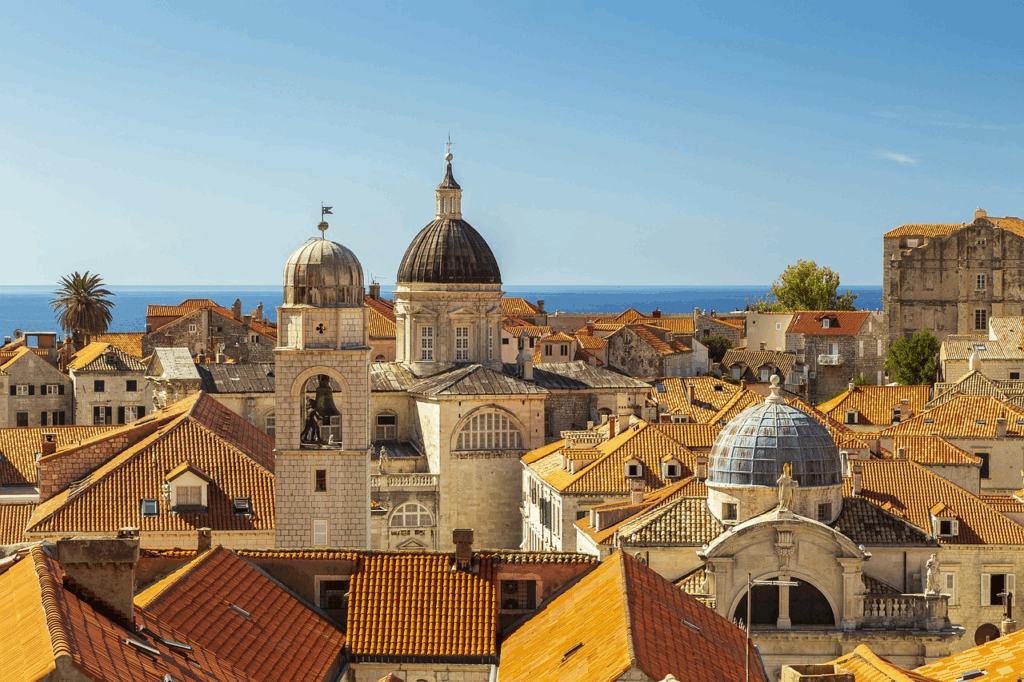
The Soul of Dubrovnik
To walk through Dubrovnik today is to walk through his story. From the statues that watch over the harbor to the echoes of hymns sung for over a thousand years, Saint Blaise remains the heart of the city’s soul. His legend is not only a tale of protection but a testament to the unbreakable bond between a people and their faith — a guardian spirit who once saved a republic and still watches over its stones.
Leave a Reply