
Short phrases, centuries of wisdom, and an entire worldview condensed into words.
Spanish refranes are not decorative language. They are tools. They explain life, warn against mistakes, comfort in hardship, and sometimes deliver truths with disarming bluntness. Passed down orally for generations, refranes form one of Spain’s richest and most revealing cultural heritages.
What Is a Refrán
A refrán is a popular saying, usually anonymous, shaped by repetition rather than authorship. It emerges from lived experience rather than theory. Farmers, shepherds, merchants, and families shaped these phrases over centuries, distilling observation into memorable language.
Unlike literary aphorisms, refranes belong to everyone. They are spoken naturally, often mid-conversation, as a way to settle a debate or offer advice without confrontation.
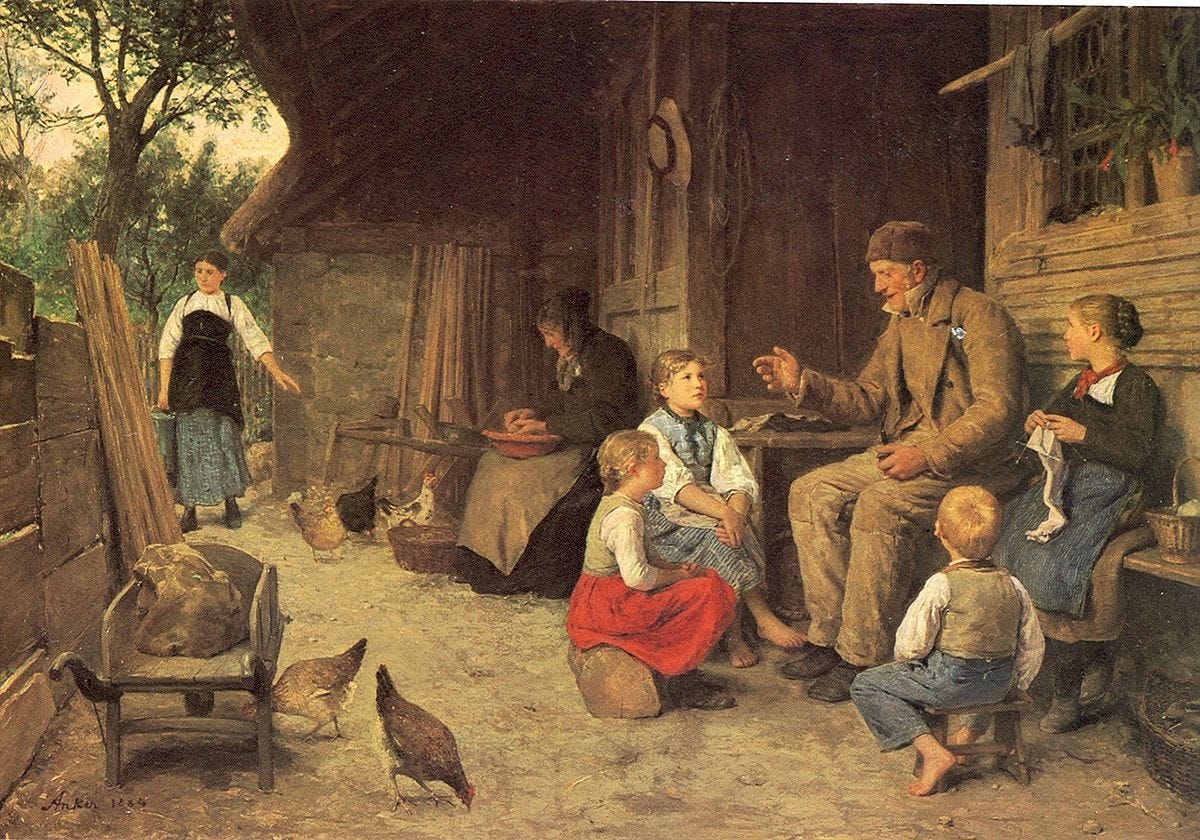
An Oral Legacy
Before literacy was widespread, refranes were how knowledge traveled. They were easy to remember, rhythmic, and often poetic. Their survival depends on usefulness. If a refrán stops making sense, it disappears. The ones that remain still resonate today.
They are heard in kitchens, bars, family gatherings, and rural conversations. They appear when someone needs reassurance or a gentle warning.
Time, Patience, and Fate
Spanish culture has a strong relationship with time, and many refranes reflect this.
“No por mucho madrugar amanece más temprano”
This refrán reminds us that effort cannot rush natural processes. No matter how early you wake up, the sun will rise when it must. It reflects a deeply Mediterranean understanding of limits, patience, and acceptance.
“A su tiempo maduran las uvas”
Things happen when they are ready. Forcing outcomes often ruins them.
These sayings reveal a culture that values endurance over urgency.
Work, Effort, and Reality
Spanish refranes are rarely idealistic. They acknowledge effort, but without illusion.
“El que algo quiere, algo le cuesta”
Nothing worthwhile comes without effort. Desire alone is not enough.
“A Dios rogando y con el mazo dando”
Faith matters, but action matters more. This refrán balances spirituality with pragmatism, a recurring theme in Spanish thought.
Human Nature and Social Behavior
Many refranes dissect people with sharp accuracy.
“Dime con quién andas y te diré quién eres”
Your company defines you. A reminder that identity is shaped by surroundings.
“Cree el ladrón que todos son de su condición”
Those who deceive assume others do the same. A subtle observation on projection and mistrust.
These refranes function as social mirrors, revealing how Spaniards interpret behavior.
Money, Value, and Appearances
Spain has long been wary of excess and false display.
“No es oro todo lo que reluce”
Appearances deceive. Value requires depth.
“Lo barato sale caro”
Cheap solutions often cost more in the long run. A refrán rooted in experience rather than theory.
They reflect skepticism toward superficial success.
Wisdom From the Countryside
Many refranes are agricultural in origin, shaped by land and seasons.
“Año de nieves, año de bienes”
Snow promises abundance. Weather becomes metaphor and prediction.
“Cuando el río suena, agua lleva”
If rumors circulate, there is usually a reason. Observation of nature becomes social insight.
These sayings connect human behavior to natural cycles.
Humor and Irony
Spanish refranes often soften truth with humor.
“En casa del herrero, cuchillo de palo”
Even experts neglect their own needs. A humorous reminder of human contradiction.
“Quien fue a Sevilla perdió su silla”
If you leave your place, do not expect it to remain yours. Said lightly, but firmly.
Irony allows honesty without aggression.
Regional Identity and Variation
While many refranes are universal, regions adapt them. Andalusia, Castile, Galicia, and Catalonia each inflect sayings with local rhythm and context. The structure remains, but the soul shifts slightly.
This flexibility keeps refranes alive rather than frozen.
Why Refranes Still Matter
In a world of speed and digital language, refranes endure because they are efficient, human, and precise. They do not explain endlessly. They conclude.
They offer comfort without sentimentality, advice without superiority, and wisdom without abstraction.
A Living Language
Spanish refranes are not relics. They continue to be spoken, adapted, and understood. They remind us that language can carry history quietly, without monuments or archives.
To understand a country, listen to its refranes. They reveal how people think, endure, laugh, and accept life as it is.
Leave a Reply