How tourism can damage ecosystems and what we can do about it
Travel is a powerful engine of connection, economic development, and cultural exchange. It has brought visibility to remote cultures and funding to conservation projects. At the same time, unchecked tourism can alter the very environments that draw visitors in the first place. These are not abstract threats or distant warnings. They are happening now, in places as diverse as wetlands in Spain, migrations in Africa, coral reefs in Southeast Asia, and rainforests in South America.
Understanding the specific mechanisms by which tourism can harm ecosystems helps us travel with more awareness, respect, and responsibility.Doñana National Park: Water Stress and Land Damage
Doñana National Park in southern Spain is one of Europe’s greatest biodiverse wetlands. It is home to marshes, migrating birds, endangered species, and fragile ecosystems that depend on carefully balanced water levels.
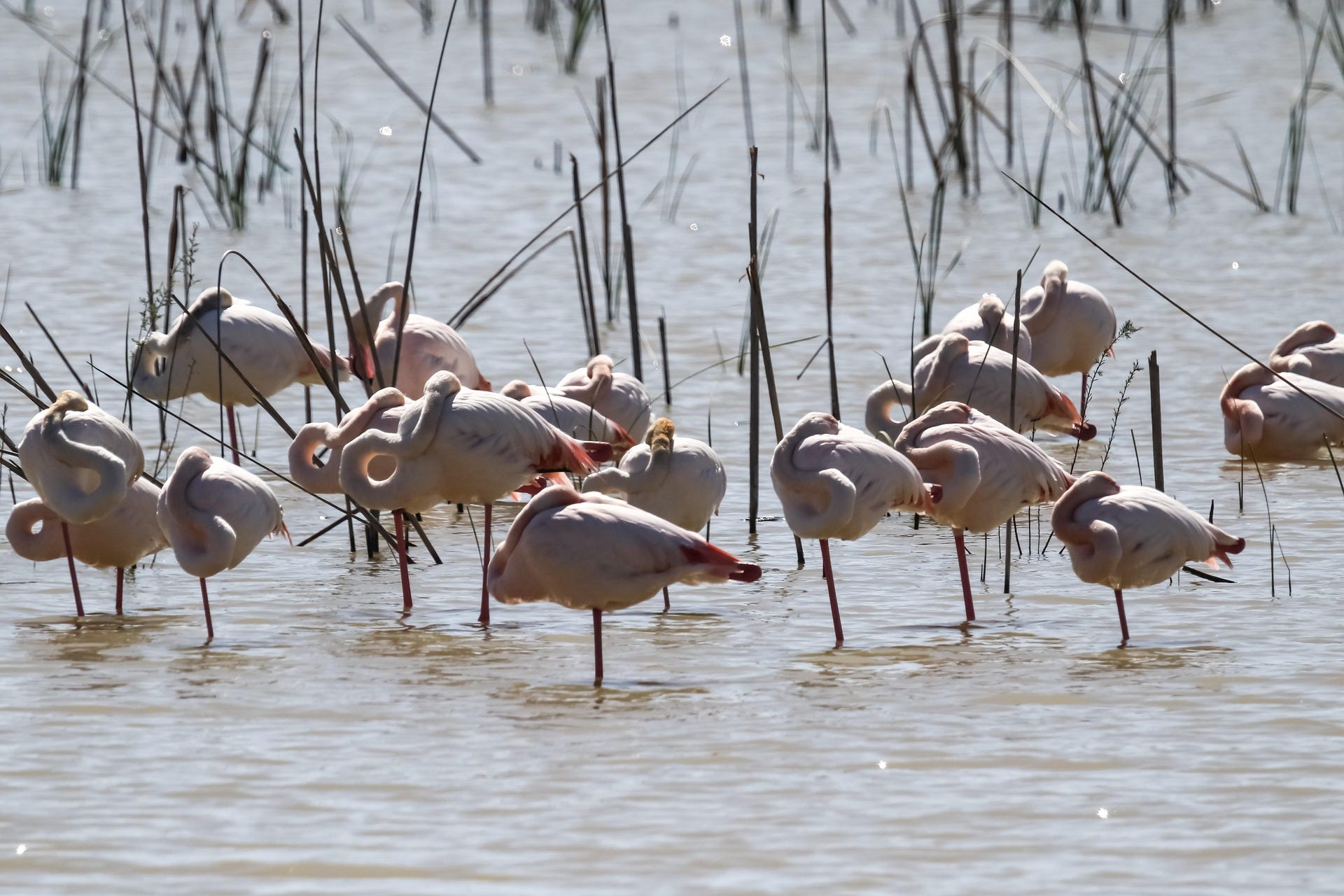
Tourism is not the only pressure on Doñana, but its impact is clear when combined with agriculture and pilgrimage activity. Water extraction for nearby crops, much of it illegal, has altered the park’s aquifers and stressed the marshlands. The annual Romería de El Rocío pilgrimage, which draws large numbers of visitors crossing sensitive terrain, has been shown to increase wildfire risk and disturb fragile habitats in and around the park. Visitors and vehicles can damage ground vegetation and contribute to erosion. These impacts have raised concern among scientists and policymakers and even led to international conservation scrutiny.
Tanzania and the Serengeti: Tourism and Wildlife Disturbance
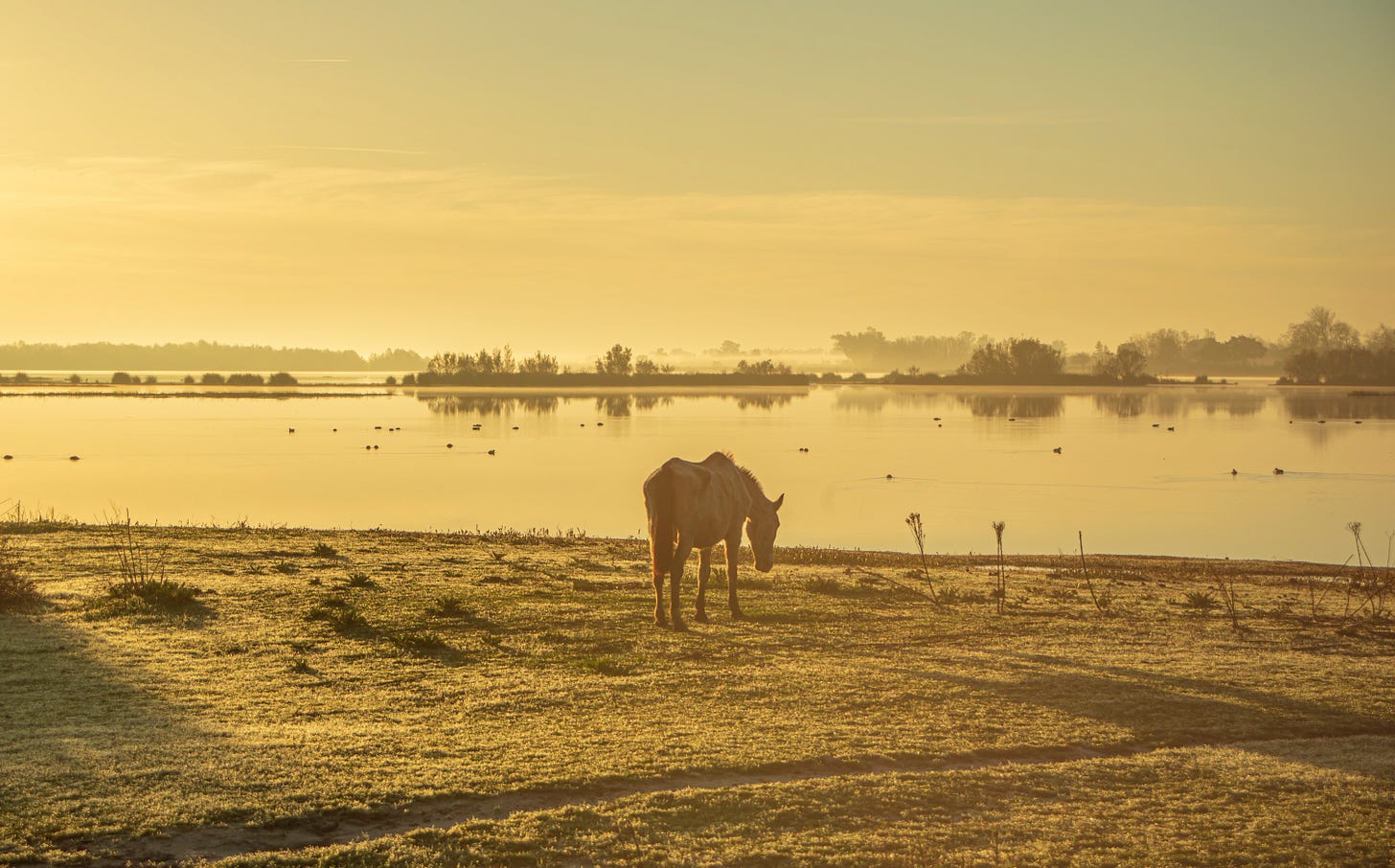
The Serengeti ecosystem in East Africa is globally famous for the annual wildebeest migration, one of the most extensive animal movements on the planet. Safari tourism has fueled conservation funding, yet poorly planned hotels, lodges, and vehicle traffic near migration corridors can disrupt these ancient routes.
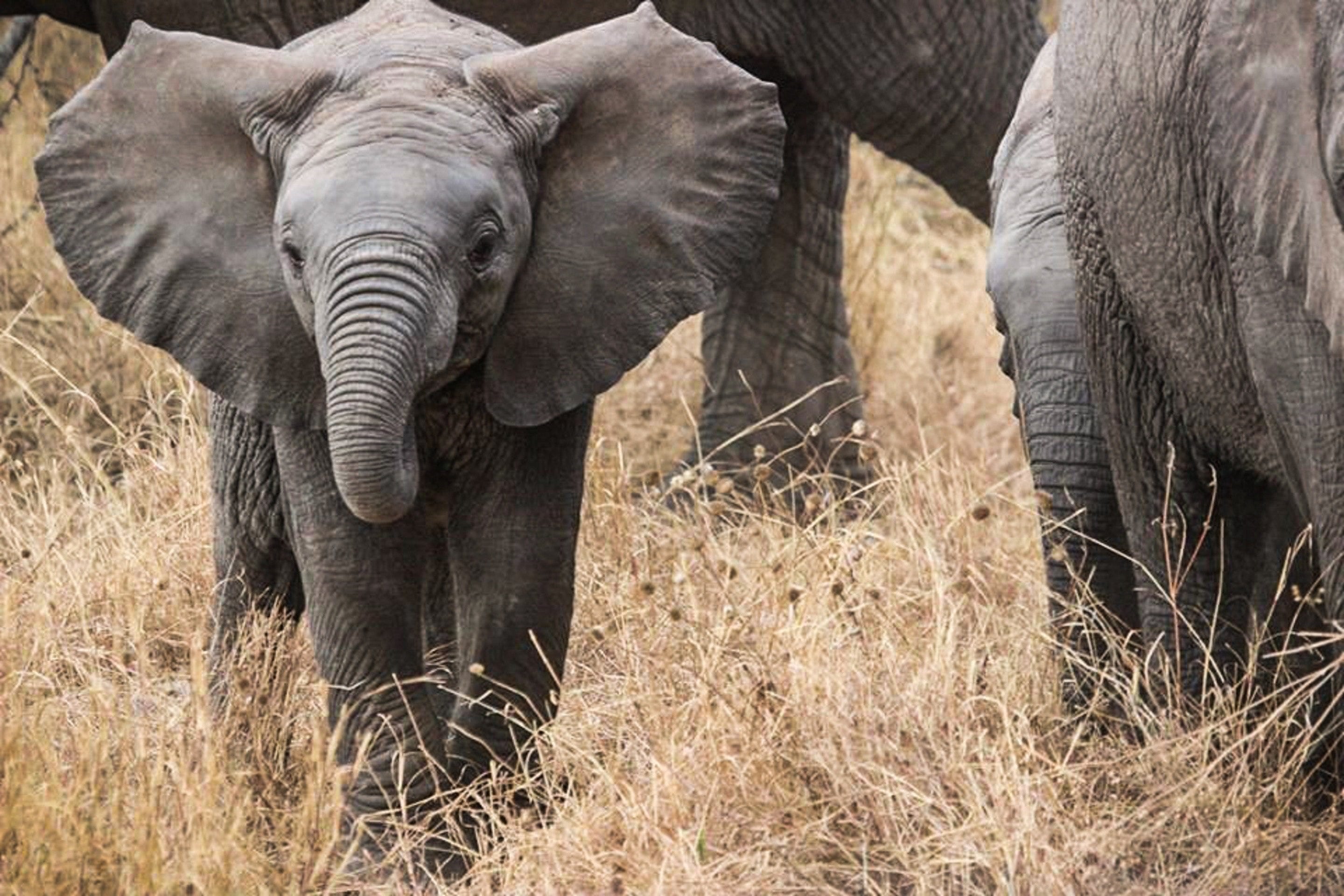
Studies and travel analyses note that tourist vehicles frequently cluster near popular crossing points, altering animal behavior and increasing stress on wildlife. Constant disturbance can change how animals move, hunt, and rest. Habitat fragmentation caused by roads and lodges is a growing concern, as development creeps deeper into previously undisturbed zones.
Thailand: Coral Reefs, Beaches, and Waste Overload
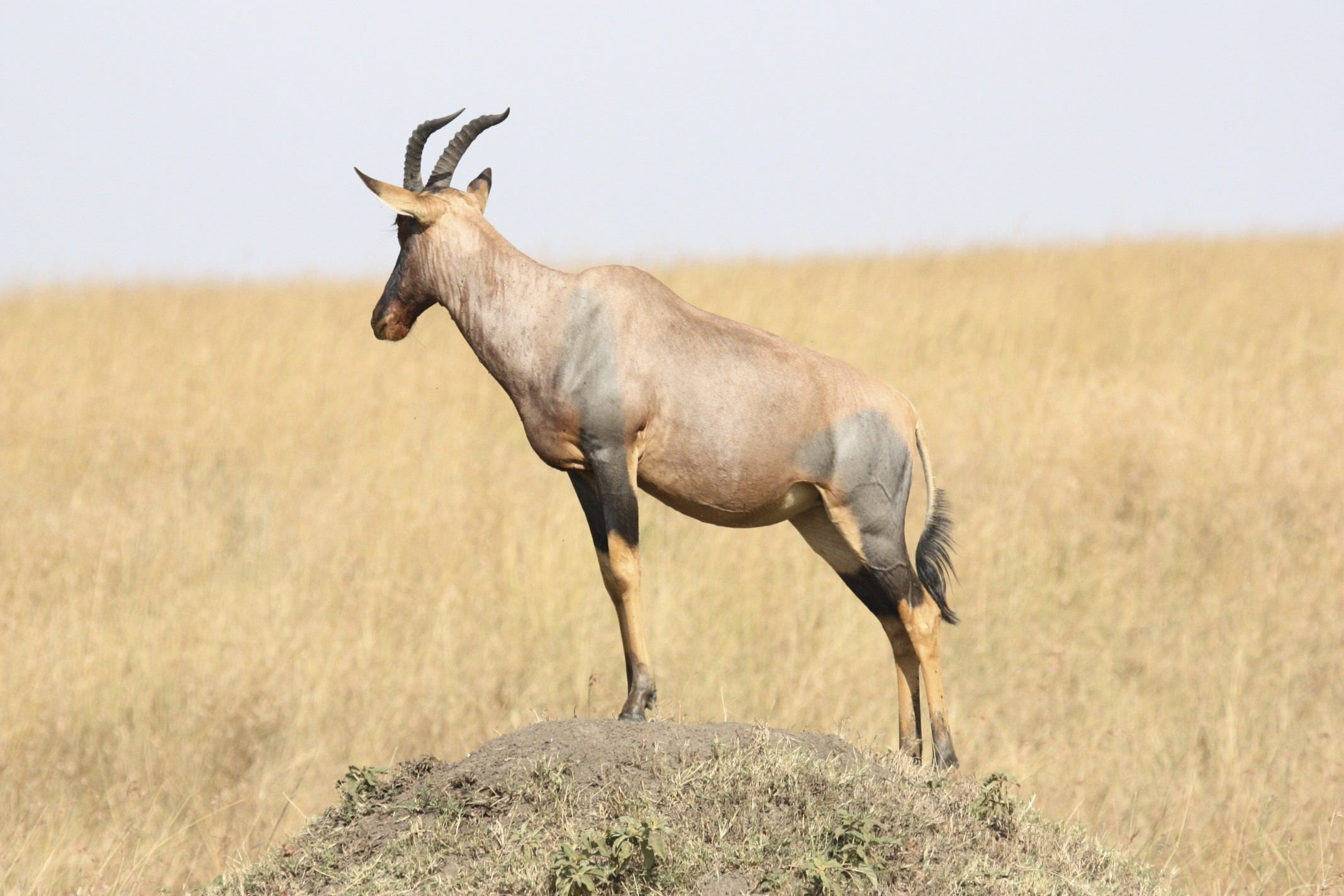
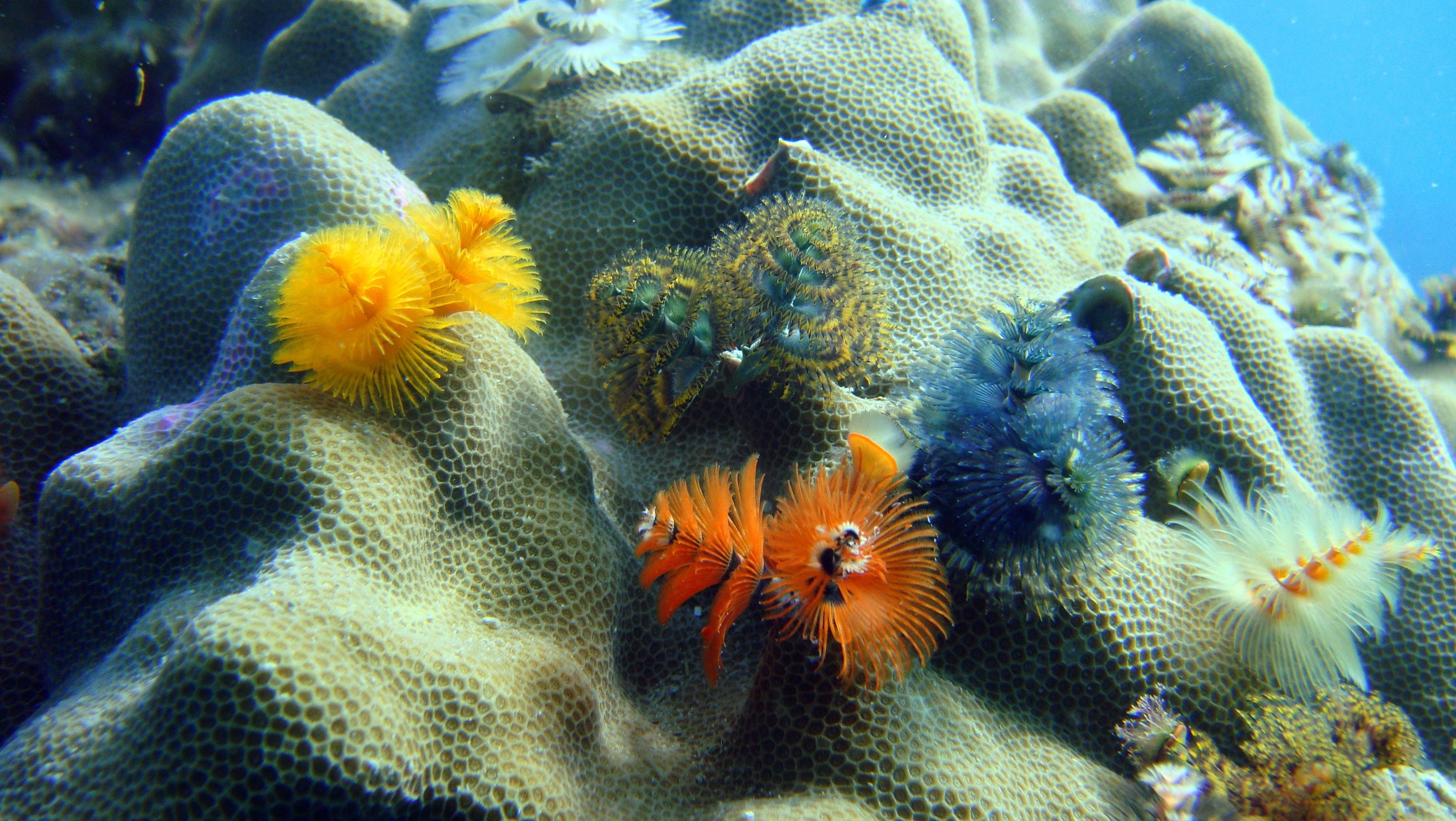
Thailand is one of the world’s most visited destinations, with millions of tourists each year. This influx puts intense pressure on natural environments. Coral reefs in the Similan Islands and around Maya Bay suffered severe damage from snorkeling and diving activity, trampling, anchors, and water pollution. The ecosystem deteriorated so much that Maya Bay was closed from 2018 to 2022 to allow coral and marine life to recover. Marine ecosystems throughout Southeast Asia have been stressed by visitor pressure, reef damage, and the effects of climate change interacting with tourism impacts.
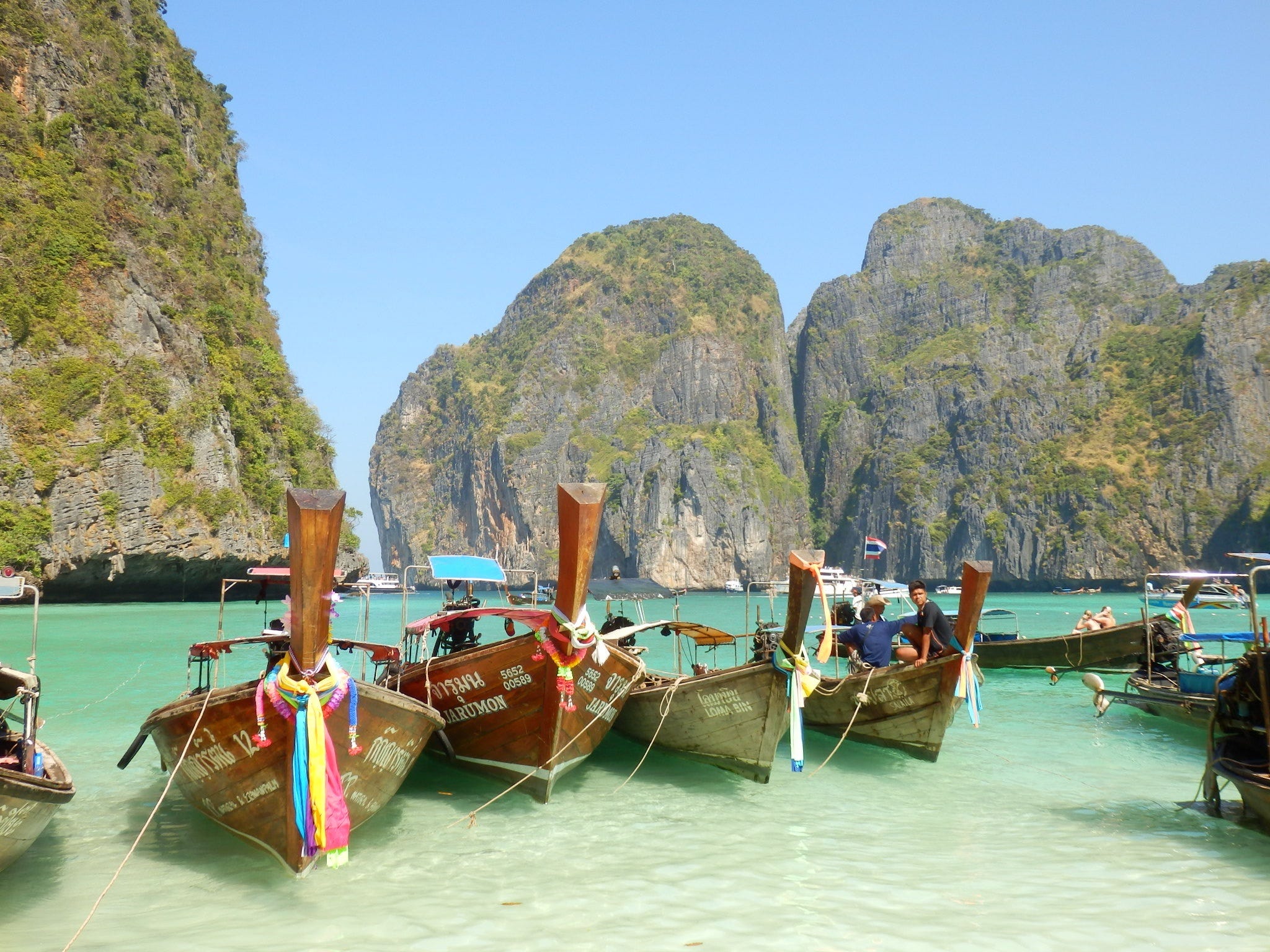
On Thailand’s islands and especially in places like Phuket, inadequate waste management systems struggle under the weight of tourist waste. Plastic pollution clogs beaches and waterways, harming wildlife and diminishing natural beauty. Local systems frequently operate over capacity, leading to improper disposal and environmental contamination.
The Dark Side of Paradise: Overtourism on Islands
The Amazon Rainforest: Ecotourism and Ecological Strain
The Amazon rainforest is one of the most biodiverse regions on Earth. Ecotourism has been promoted as a way to fund conservation while providing local income, yet the reality is nuanced. Increased tourism can lead to deforestation for infrastructure such as lodges, access roads, and river jetties. These cleared areas, even when small, fragment habitat and alter ecological balance.
Waste from visitors frequently overwhelms local waste systems, leading to pollution of rivers and land. Trails erode, sensitive vegetation is trampled, and animal behavior is disturbed by human presence. In some cases ecotourism functions as greenwashing, masking ecological footprint with an environmentally friendly label without fundamental protections.
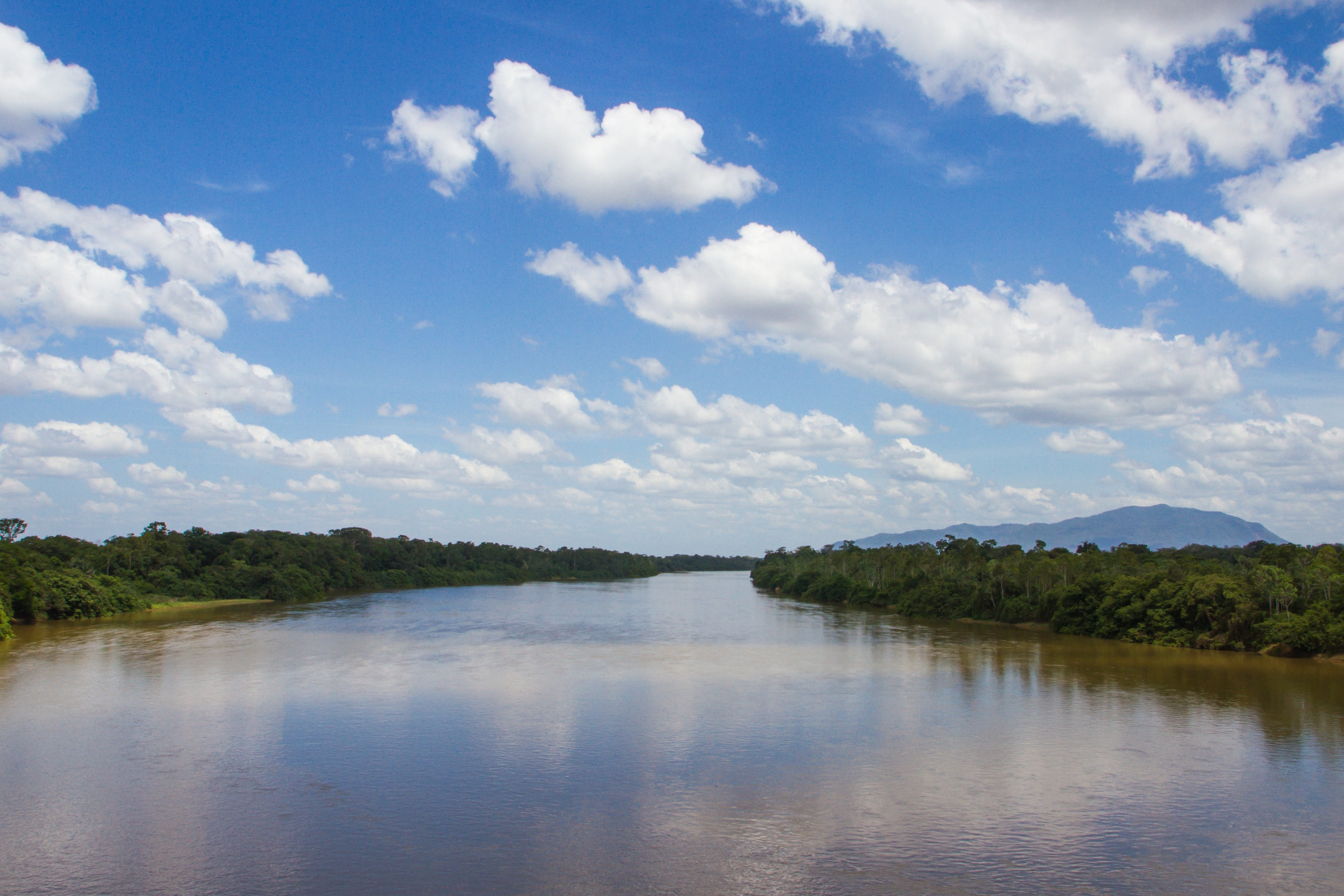
How Does Tourism Affect the Amazonas Rainforest
Other Global Pressures: Overtourism and Habitat Loss
Tourism’s environmental impacts extend well beyond these flagship examples. Research shows that tourism infrastructure, including hotels, airports, roads, and facilities, often clears forests, fragments habitat, and alters ecosystems. This is especially pronounced in island and coastal environments where land is limited and ecosystems fragile. In many destinations tourism contributes to increased waste, water scarcity, energy use, and carbon emissions, intensifying pressure on natural systems that are already stressed by climate change and local development pressures.
Overtourism, defined as the congestion or overcrowding of a destination beyond its carrying capacity, harms both the environment and local quality of life. It degrades natural resources and can erode cultural heritage and social fabric.
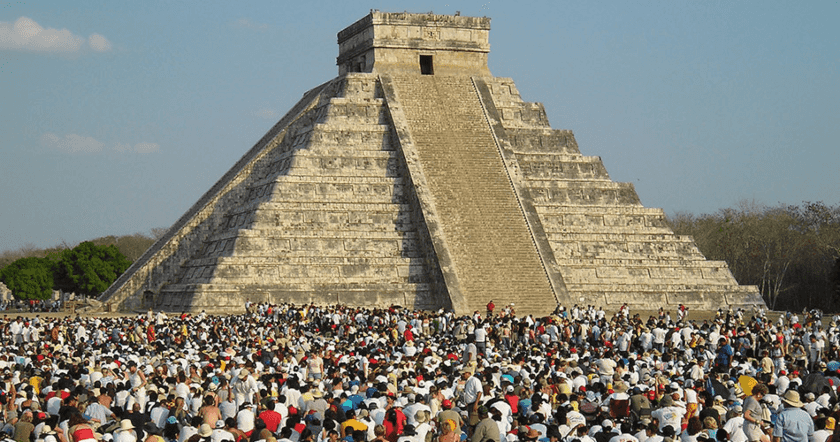
Overtourism: A growing challenge for people, places and policy
Why These Issues Are Often Hidden
Many of the most visible negative impacts of tourism do not appear overnight. They accumulate slowly as soils erode, water tables drop, coral reefs bleach, and wildlife adjusts behavior away from human presence. Observers may visit for short holidays and never see the long-term degradation taking place, yet it transforms ecosystems over years and decades.
Infrastructure built “for tourism” may seem small in scale when viewed individually, but cumulatively they create habitat fragmentation, noise pollution, light pollution, and roadkill. Land speculation and tourism-related development inside protected areas is increasingly documented as a threat to conservation, turning ecologically sensitive space into commercial land with long-term consequences.
Wildlife and the COVID-19 Lockdowns: A Momentary Window
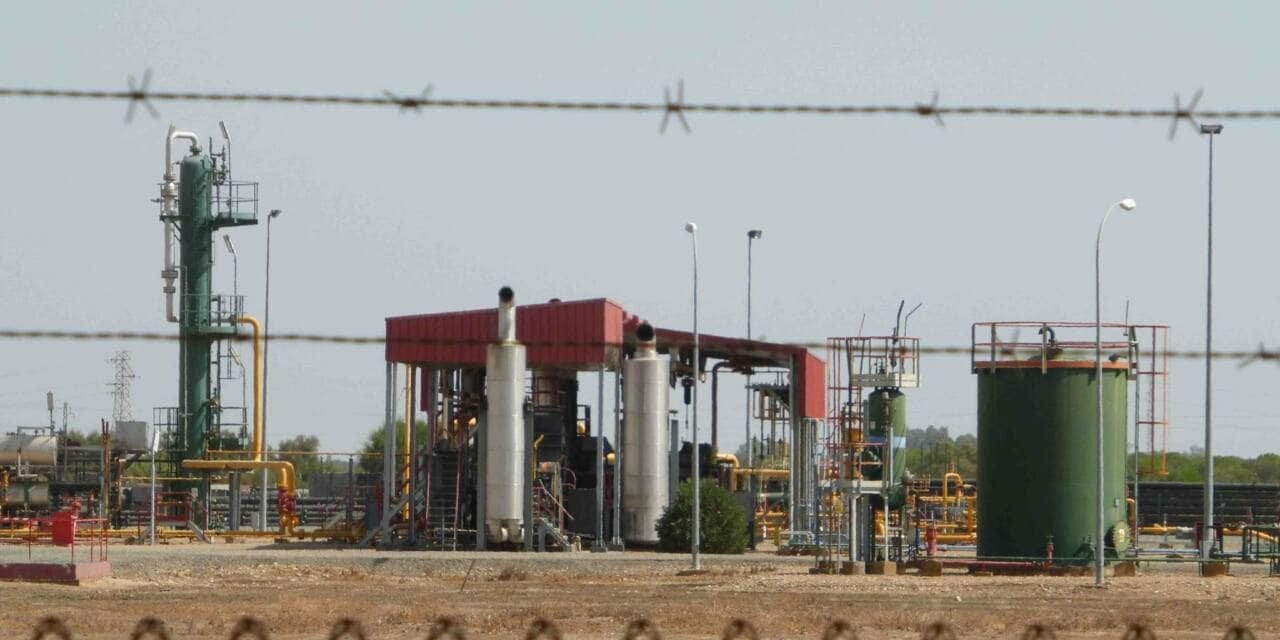
When global travel shut down during the COVID-19 pandemic, human activity dropped sharply. Scientists and conservationists described this as an “anthropause,” a pause in our usual pressures on the natural world. The effects on wildlife were complex but revealing.
In urban and protected areas where human presence suddenly declined, several species changed their behavior. In some parts of the world, mammals such as wild boar, foxes, pumas, and nilgai were reported moving more openly in and around towns as human disturbance fell, even if these cases were sometimes amplified by media attention. This pattern suggested that reduced human activity allowed wildlife to explore areas they normally avoided. Many bird species also responded to quieter environments with increased activity in green spaces and parks previously dominated by human presence. Camera trap studies in places like China’s Huangshan Scenic Area showed that when human visitation dropped dramatically, several species expanded their use of habitats and increased daytime activity. These observations provide data on how human presence shapes animal behavior and habitat use, even if long-term ecological recovery requires sustained change beyond a temporary lockdown.
These examples do not mean that nature “healed” itself instantly. Many initial reports conflated increased sightings with lasting ecological recovery. But the lockdown period did offer clear evidence that reduced human disturbance can alter wildlife patterns and reveal pressures that tourism and daily activity impose on ecosystems.
A Call for Responsible Tourism
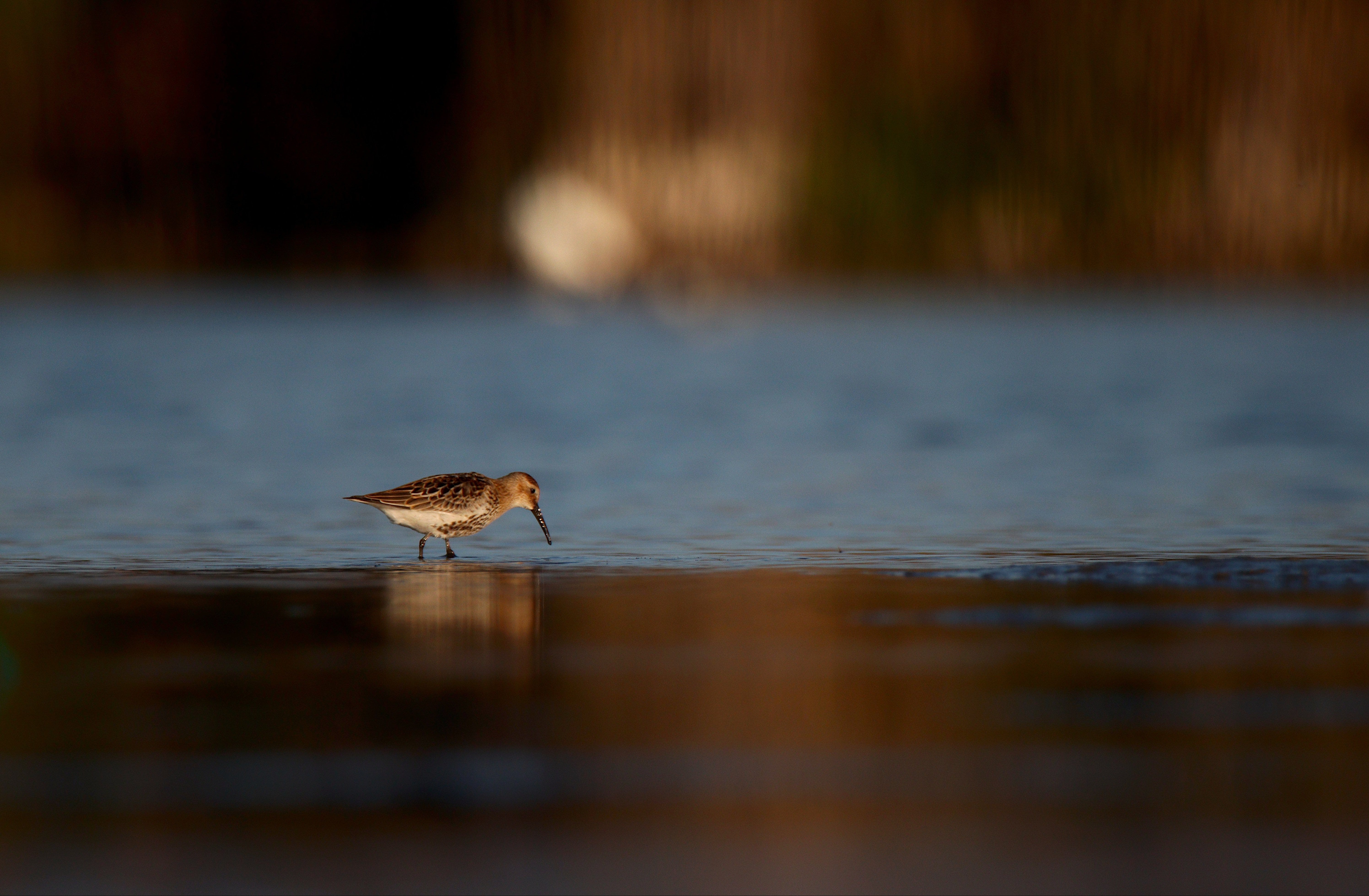
The evidence is clear. Tourism can destroy environments for the pleasure of a few if it is unplanned, unregulated, and disconnected from ecological limits. Yet this is not a call to condemn travel itself. It is a call for responsible tourism rooted in humility, awareness, and stewardship.We can travel with curiosity and respect. We can hold destinations not as checkboxes for experiences but as living systems with rights and limits. A responsible traveler:
- Chooses accommodations and operators with verified sustainability practices.
- Minimizes waste and reduces water and energy usage.
- Supports local conservation and community-led initiatives.
- Travels off-season to reduce peak pressure on sensitive ecosystems.
- Learns the ecological and cultural history of a place before arrival.
Text within this block will maintain its original spacing when published
This is not idealism. It is pragmatism. Tourism that destroys the places it markets will ultimately destroy itself.
Leave a Reply