
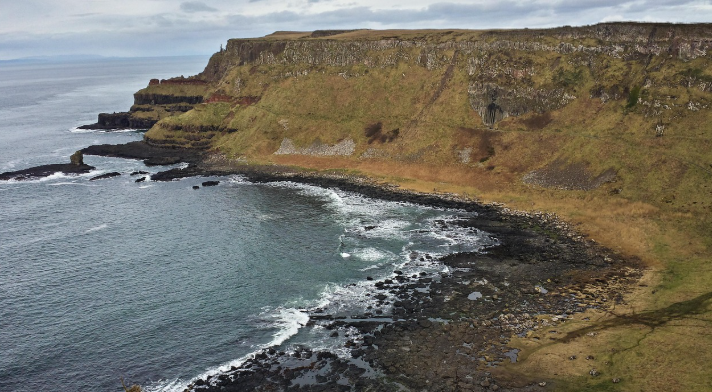
On the windswept north coast of Northern Ireland lies a place where earth and myth seem to converge in crystalline form. The Giant’s Causeway unfolds in a vast mosaic of hexagonal basalt columns that rise like a forgotten amphitheater against the Atlantic swell. This extraordinary landscape, shaped by ancient volcanic forces some 60 million years ago, has captured the imagination of travellers, poets and artists for centuries.
A Geological Marvel Written in Stone
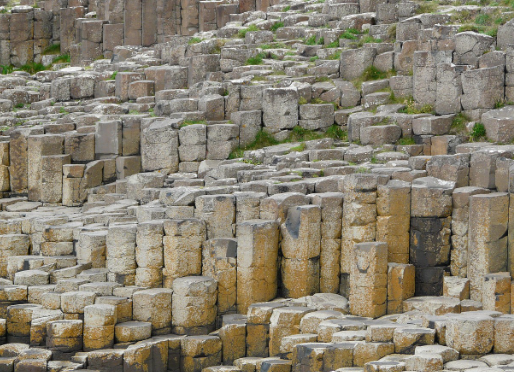
The story of the Giant’s Causeway begins long before human memory. In a distant age of tectonic turmoil, molten lava spilled across the earth and cooled in a rhythm that produced thousands of interlocking basalt columns. The geometric precision of these formations is a reminder of nature’s capacity for both grandeur and elegance. It is a place that feels older than time, where each stone seems to hold a whisper of the deep past.
Over the centuries the Causeway remained a place of quiet wonder to local communities. It was more than a remarkable coastal feature; it became part of the cultural fabric, woven into stories told by fishermen and farmers under starlit skies. The landscape itself spoke of power, mystery and elemental beauty.
The Legend of Finn MacCool
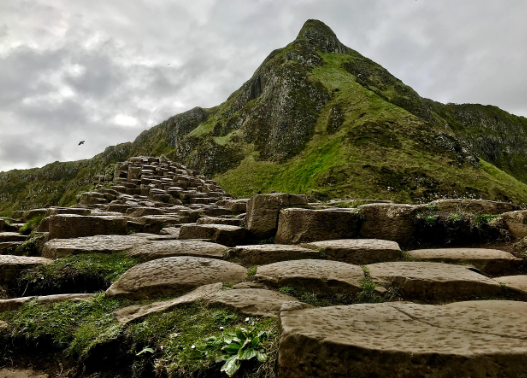
In Celtic lore, the Giant’s Causeway is not merely stone but testament to the deeds of giants. According to tradition, Finn MacCool was a heroic figure of immense strength who built the causeway as a bridge to Scotland. There, he intended to confront his rival, the giant Benandonner. Versions of the tale vary, but the heart of the story is timeless: a confrontation born of pride, fear and the bonds of mythic conflict.
One telling suggests that when Finn saw the immense size of Benandonner, he fled in fear. His clever wife, Oonagh, disguised him as a child. When Benandonner saw the “child” of such stature, he assumed the father must be colossal and fled back across the sea, destroying the causeway behind him so that no giant could follow. In every telling, the myth expresses more than humour; it embodies a Celtic sense of the land as living narrative, a tapestry of human imagination entwined with natural form.
From Curiosity to Global Destination
For generations the Giant’s Causeway remained a local marvel. With the advent of modern travel in the nineteenth century, it drew wider attention from explorers, artists and early tourists who chronicled its singular beauty. Improved access and transportation encouraged greater visitation, and in time the Causeway became a must‑see destination for those journeying through the British Isles.
Recognition of its universal significance grew as its fame spread. Its designation as a protected heritage site affirmed its value not merely as a geological wonder but as a cultural and environmental treasure worthy of careful stewardship. Today the Causeway stands among the most cherished natural landmarks in the United Kingdom.
Visitor Experience and Cultural Resonance
To walk the hexagonal columns is to engage with a landscape that is both tactile and transcendent. The stones, cool and smooth underfoot, seem like steps laid by some ancient architect to invite visitors into contemplation. The Atlantic winds buffet hair and heart alike, and the cries of seabirds echo against rugged cliffs. It is a serene and powerful encounter, one that rewards quiet observation as much as curiosity.
The Causeway’s cultural resonance extends beyond myth and geology. It has inspired artists, writers and thinkers who find in its forms both metaphor and meaning. It stands as a symbol of endurance, of form born from force, and of the human impulse to create stories that interpret the sublime.
Stewardship and the Future
With its global reputation comes responsibility. Conservation efforts watch over fragile coastal habitats, manage visitor pathways and encourage respectful engagement with the land. Ongoing education invites travellers to see the Causeway not as a backdrop for fleeting images but as a living heritage that deserves care and mindfulness.
Even small visitor behaviours, once sweetly intended, can pose a challenge. Local stewards appeal to visitors to cherish the stones without altering their character, to respect their permanence while watching the tides of change.
A Place of Wonder and Reflection
The Giant’s Causeway remains a destination where natural history and human narrative meet. It is a place that speaks quietly yet forcefully about time, beauty and the interweaving of landscape and legend. Travellers arrive seeking spectacle but leave with something subtler, a sense of connection to the deep rhythms of the earth and the enduring magic of story.
Leave a Reply