
Spain is a country of skies and landscapes as diverse as its culture, and nowhere is this more evident than in its birdlife. From the soaring eagles of the Pyrenees to the delicate warblers hidden in olive groves, Spain hosts one of the richest avian repertoires in Europe. Over 500 species are recorded across its mountains, coasts, wetlands, and forests, making it a paradise for both naturalists and casual observers.
Songbirds: The Melodies of Spain
Spanish fields and woodlands are alive with the songs of warblers, nightingales, and larks. The skylark rises in the early morning light, its song cascading over open plains, while the nightingale delivers an intricate symphony that has inspired poets and musicians for centuries. Finches, tits, and orioles flit through olive groves and citrus orchards, a vivid reminder of how nature and agriculture have long coexisted in harmony.
Birds of Prey: Guardians of the Sky
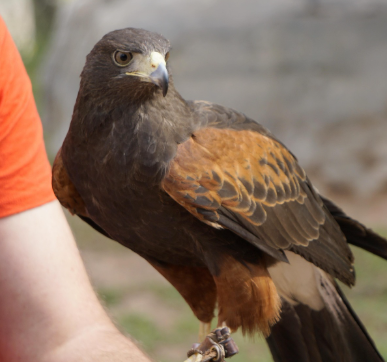
Spain’s skies are ruled by formidable raptors. The Spanish imperial eagle, one of the rarest eagles in the world, patrols the dehesas of central and southern Spain. Griffon vultures drift effortlessly over limestone cliffs, their wings spread wide against the sun, while the peregrine falcon swoops with breathtaking speed over historic cities and open plains alike. These predators are not only symbols of freedom and power but also essential guardians of ecological balance.
Wetland Wonders: Life Among Water
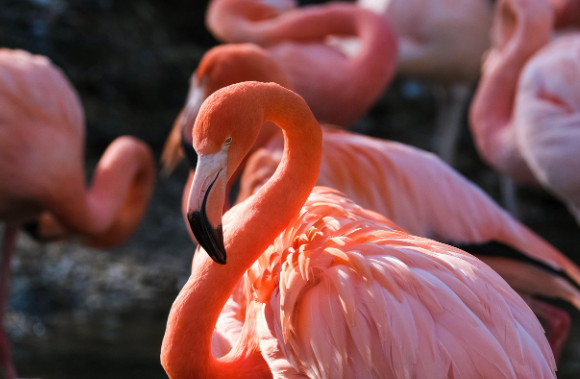
Spain’s rivers, marshes, and coastal lagoons host a dazzling array of waterbirds. The flamingo, with its vibrant pink plumage, graces the salt flats of Andalusia, while herons, egrets, and terns navigate marshes and estuaries with poised elegance. Migratory species, including storks and spoonbills, pass through Spain’s wetlands, highlighting the country’s vital role in global bird migration networks.
Endemic and Unique Species
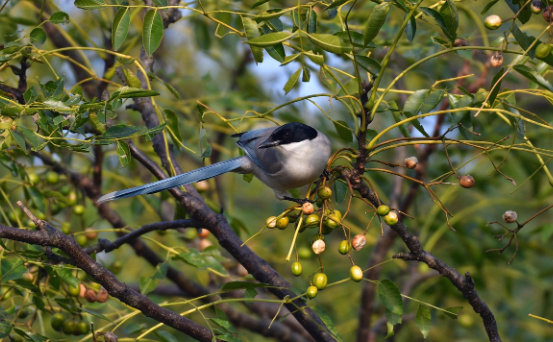
Among the common and widespread species, Spain also harbors endemic birds found nowhere else. The Iberian magpie, with its striking cobalt-blue wings, and the duke of Burgundy fritillary, rare in Europe, exemplify Spain’s unique biodiversity. Islands such as the Canaries and Balearics host their own specialized species, including the Canary itself, a small bird whose song captivated the world.
Birds in Culture and Tradition
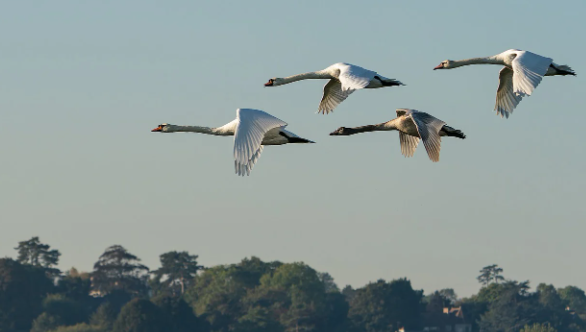
Birds have long flown through Spain’s art, folklore, and daily life. The stork is celebrated in villages for bringing fertility and good fortune, while the eagle adorns coats of arms and symbolizes strength. Festivals in rural towns often coincide with seasonal migrations, echoing centuries of human awareness and reverence for the cycles of nature.
Conservation and the Future
Spain’s birds face challenges from habitat loss, climate change, and human activity, but conservation efforts have made significant progress. Protected areas, such as Doñana National Park, the Ebro Delta, and the Sierra Nevada, safeguard critical habitats. Birdwatching has grown as a sustainable form of tourism, allowing visitors to experience Spain’s avian diversity while supporting local economies and conservation programs.
The Poetry of Flight
To observe Spain’s birds is to witness a living tapestry of color, song, and movement. They are messengers of seasons, indicators of ecological health, and companions in moments of quiet reflection. From the highest peaks to the most secluded wetlands, Spain’s birds are at once a natural treasure and a reminder of the intricate harmony that sustains life across the Iberian Peninsula.
Leave a Reply