Spain’s landscape holds stories written not in words, but in stone and pigment. The Altamira and Atapuerca caves are two of the most extraordinary windows into humanity’s distant past, offering insights into the lives, thoughts, and creativity of our prehistoric ancestors. Yet these treasures are delicate, fragile, and in constant need of protection.
Altamira: The Cave of the Beasts
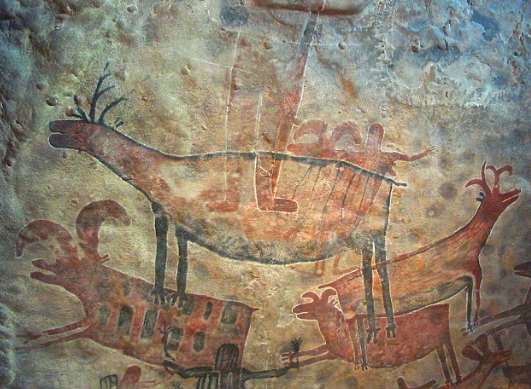
Discovered in the late nineteenth century in Cantabria, the Altamira Cave is renowned for its Paleolithic paintings. The vivid depictions of bison, deer, and handprints, rendered over 14,000 years ago, reveal a remarkable sophistication in artistic expression and human imagination. The colors, shapes, and movement in the artwork are astonishingly well preserved, a silent testimony to the reverence our ancestors had for nature and life.
Visitors were once allowed to walk among the paintings, but overexposure to human breath, humidity, and light quickly began to degrade the fragile surfaces. Today, access is strictly controlled, and only a small number of researchers and conservationists may enter. Even glimpsing reproductions in museums or digital exhibits offers a deeper appreciation without endangering the originals.
Atapuerca: Cradle of Humanity
The Atapuerca caves, in northern Spain, are equally remarkable, but for different reasons. Archaeologists have uncovered fossilized remains dating back over one million years, revealing early human species, their tools, and their burial practices. The site has become a cornerstone for understanding human evolution in Europe, providing context for how Homo antecessor, Neanderthals, and other early humans lived, migrated, and survived.
Like Altamira, the Atapuerca caves are sensitive to environmental changes. Excessive visitation could threaten the preservation of bones and sediments that have remained intact for millennia. The sites are carefully managed, and guided tours are limited to ensure the integrity of this irreplaceable scientific and cultural legacy.
The Imperative of Preservation
The caves of Altamira and Atapuerca are living archives of our shared history, but they are vulnerable. Even minor fluctuations in temperature, humidity, or carbon dioxide levels can irreversibly damage pigments or fossils. For this reason, authorities strongly discourage casual visits. Photography, touching walls, or attempting unauthorized entry is not only illegal but could permanently erase traces of human creativity and existence.
The greatest respect a visitor can show is to experience these wonders responsibly: through museums, high-quality reproductions, guided tours, and virtual experiences. In doing so, we ensure that these masterpieces endure for future generations to study, admire, and reflect upon.
Why They Matter
Altamira and Atapuerca remind us of the depth of human history and the continuity of creativity across millennia. They are sacred spaces where art, life, and the human spirit converge. Protecting them is a duty not just of Spain, but of the world. Preserving these caves ensures that the bison, the handprints, and the earliest human footprints continue to speak across time, teaching us about resilience, ingenuity, and the beauty of life itself.

Leave a Reply