
Where Movement Becomes Spiritual Expression
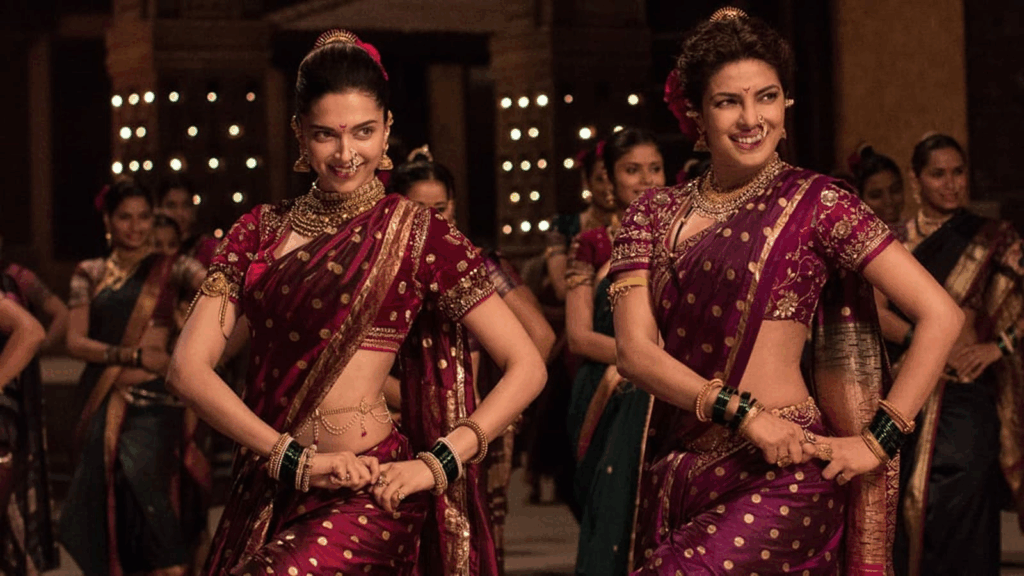
In India, dance is not merely performance — it is devotion, storytelling, and philosophy embodied in movement. Across this vast and diverse land, each region tells its own story through rhythm, gesture, and expression. From temple courtyards in the South to royal courts in the North, the language of dance transcends words. It is an art of the soul.
To travel through India is to witness its many dances — each one a reflection of its culture, faith, and way of life.
Odissi: The Grace of Orissa
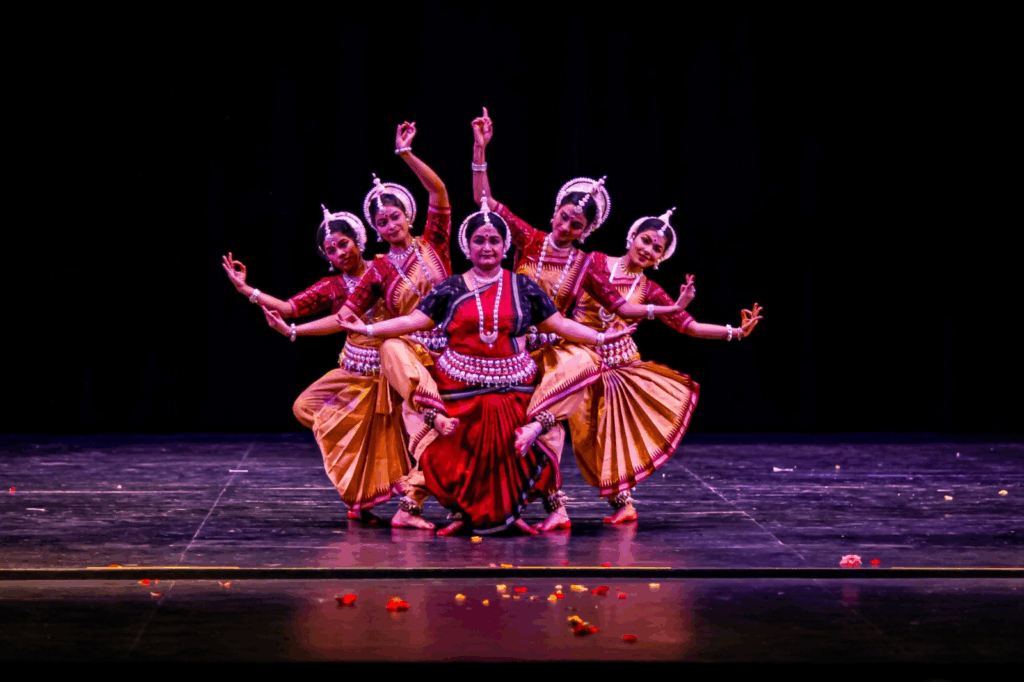
One of the oldest classical dance forms of India, Odissi originated in the temples of Odisha, on the country’s eastern coast. Once performed by maharis (devadasi-like temple dancers) as a form of worship to Lord Jagannath, it blends sculptural poses with soft, fluid movements.
Odissi is renowned for its curvaceous postures — inspired by the carvings of Konark’s Sun Temple — and for the tribhangi stance, which divides the body into three graceful bends: head, torso, and hips. It is a dance that embodies both devotion and sensuality, its gestures narrating tales from Hindu mythology, particularly from the Gita Govinda.
Kathak: The Storyteller’s Dance of the North
In contrast to the temple-born southern styles, Kathak flourished in the royal courts of North India. Its origins lie in the kathakas — ancient bards who narrated epics through expressive storytelling and rhythm.
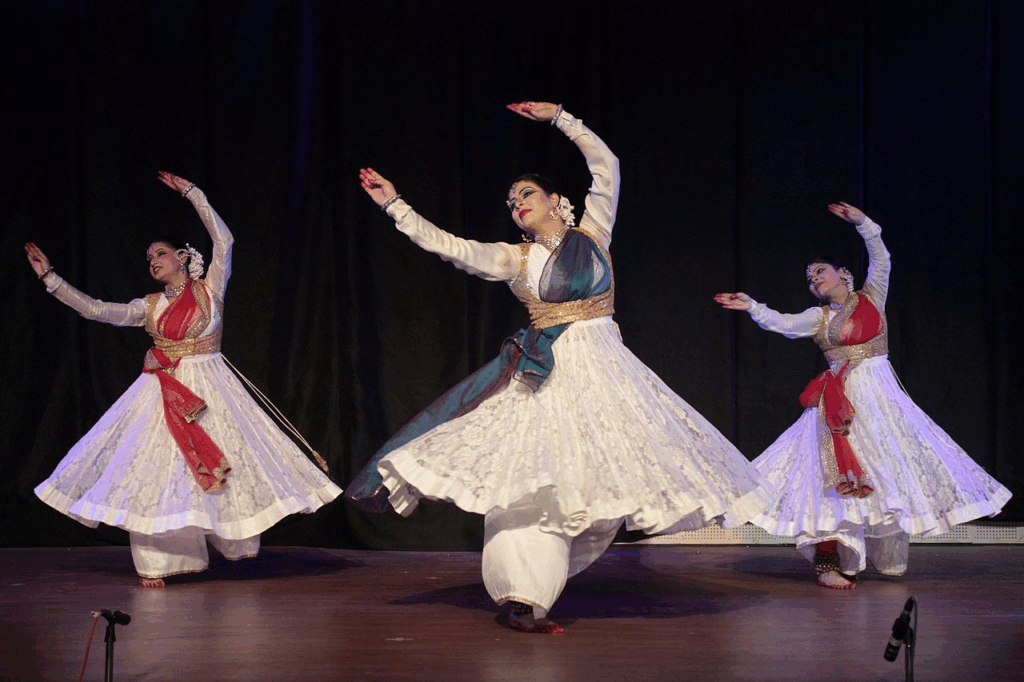
Over centuries, Kathak evolved into a sophisticated classical form, blending Hindu mythic tradition with Persian and Mughal influences. The result is a dance that balances grace with virtuosity: intricate footwork, swift spins (chakkars), and a captivating play of facial expressions.
Performed to the sound of tabla and ghunghroo (ankle bells), Kathak is both poetic and regal — a dialogue between dancer and rhythm, between tradition and improvisation.

Bharatanatyam: The Soul of Southern India
The Bharatanatyam of Tamil Nadu is perhaps the most widely recognized of India’s classical dances. Its lineage traces back over two millennia, to temple rituals where dancers communicated with the divine through movement.
Rooted in geometry and discipline, Bharatanatyam is characterized by strong lines, fixed postures, and intricate hand gestures (mudras) that form a visual language. Yet within its precision lies deep emotion: each tilt of the head, each flicker of the eye, reveals devotion (bhakti) and storytelling (abhinaya).
The dance is performed to Carnatic music and often explores episodes from sacred texts like the Ramayana and Mahabharata. It is, in essence, the art of transforming prayer into performance.

Kathakali: The Theatre of Kerala
Kerala, India’s lush southern state, gave birth to Kathakali — a spectacular dance-drama that fuses movement, music, and elaborate costuming.
Kathakali means “story-play,” and that is precisely what it is: a living epic, performed through grand gestures, complex facial expressions, and a codified system of eye movements that can convey entire emotions without a single word spoken.
The performers, often male, wear vibrant makeup and ornate headdresses, transforming into gods, demons, and heroes from ancient mythology. The result is both mesmerizing and monumental — a form of storytelling as ancient as it is theatrical.

Mohiniyattam: Kerala’s Feminine Grace
Also from Kerala comes Mohiniyattam, known as the “dance of the enchantress.” Softer and more lyrical than Kathakali, it is performed exclusively by women and is dedicated to Mohini, the female incarnation of Lord Vishnu.
Flowing white costumes, gentle swaying, and subtle expressions define this dance. Where Kathakali commands attention, Mohiniyattam whispers — a serene dialogue between the dancer and her inner divinity.

Manipuri: The Dance of Serenity
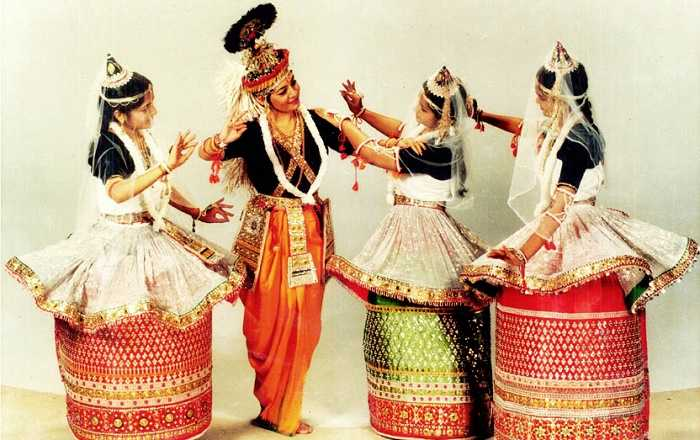
From the northeastern state of Manipur comes Manipuri, a dance of ethereal grace inspired by the Raas Leela — the divine love story of Krishna and Radha.
Its movements are circular, delicate, and weightless, mirroring the floating quality of its music. The dancers often wear layered, cylindrical skirts and translucent veils, creating the illusion of gliding across air. Unlike other forms, Manipuri avoids sharp gestures, embodying instead a sense of spiritual stillness and emotional purity.
Bhangra: The Pulse of Punjab
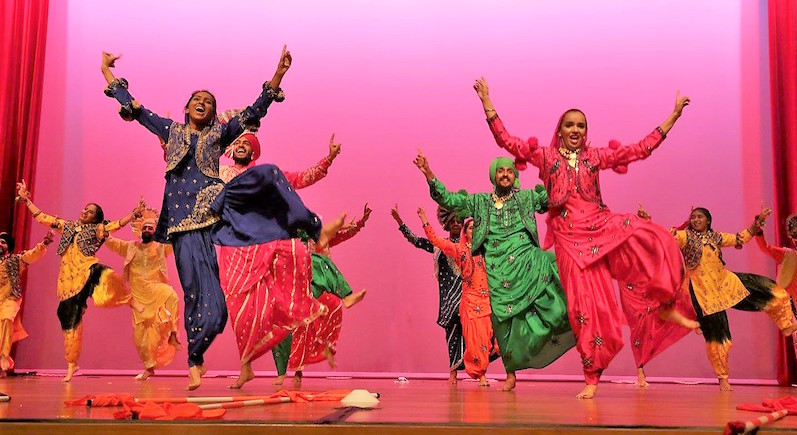
While the classical dances elevate the sacred, Bhangra celebrates life itself. Originating in the fields of Punjab, this energetic folk dance began as a harvest celebration and has since become a symbol of Punjabi identity across the world.
Driven by the infectious rhythm of the dhol drum, Bhangra is pure joy in motion — exuberant, bold, and communal. Its jumps, shoulder lifts, and spirited gestures express gratitude for abundance and vitality.
Today, Bhangra bridges the rural and the modern, blending seamlessly into global music and dance scenes without ever losing its roots.
More Than Movement
To witness India’s dances is to witness the soul of the country itself — its devotion, diversity, and celebration of life.
Each dance form is a language, each rhythm a prayer. Whether performed in the stillness of a temple courtyard or on a modern stage, they remind us that in India, art is not an escape from life — it is life.

Leave a Reply