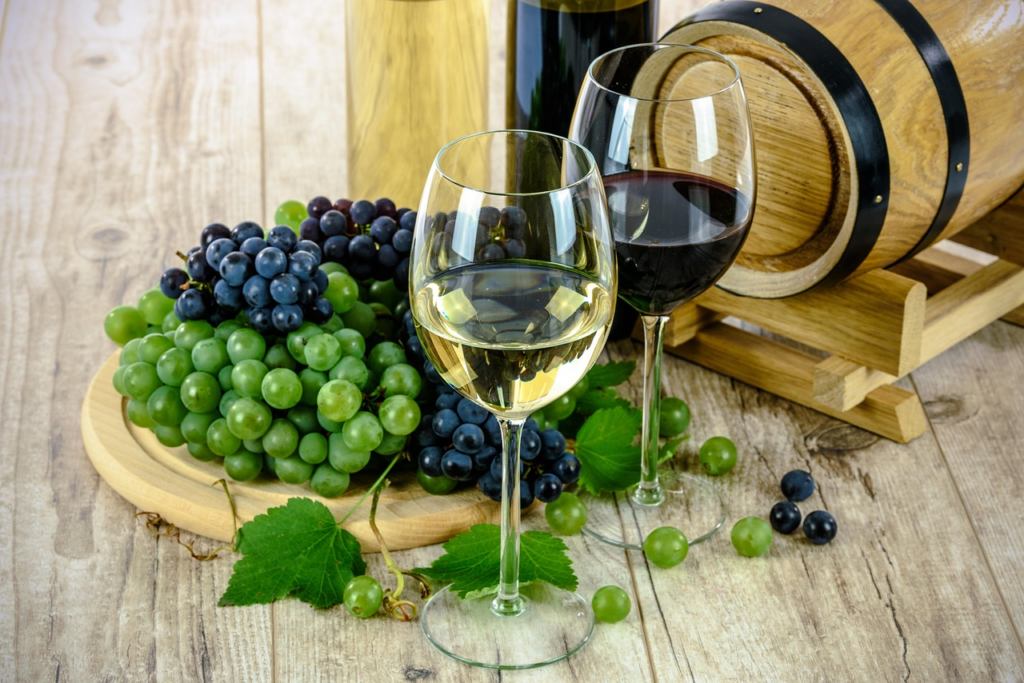
Spain is a land that speaks in flavors. From sun-scorched plains to misty Atlantic coasts, from ancient Roman vineyards to avant-garde bodegas, wine here is not merely a drink. It is memory, labor, celebration, and landscape distilled into liquid form. To explore Spanish wine varieties is to travel through centuries of conquest, trade, migration, and craftsmanship.
Each grape tells a regional story. Each sip reflects a climate, a culture, and a way of life. This journey through Spain’s most emblematic wine varieties is an invitation to taste the country through its most expressive language: wine.
1. Tempranillo. The Heart of Spanish Red Wine
No grape defines Spain more profoundly than Tempranillo. Its name comes from temprano, meaning “early,” a nod to its short ripening cycle. Yet what it lacks in time, it makes up for in depth and elegance.
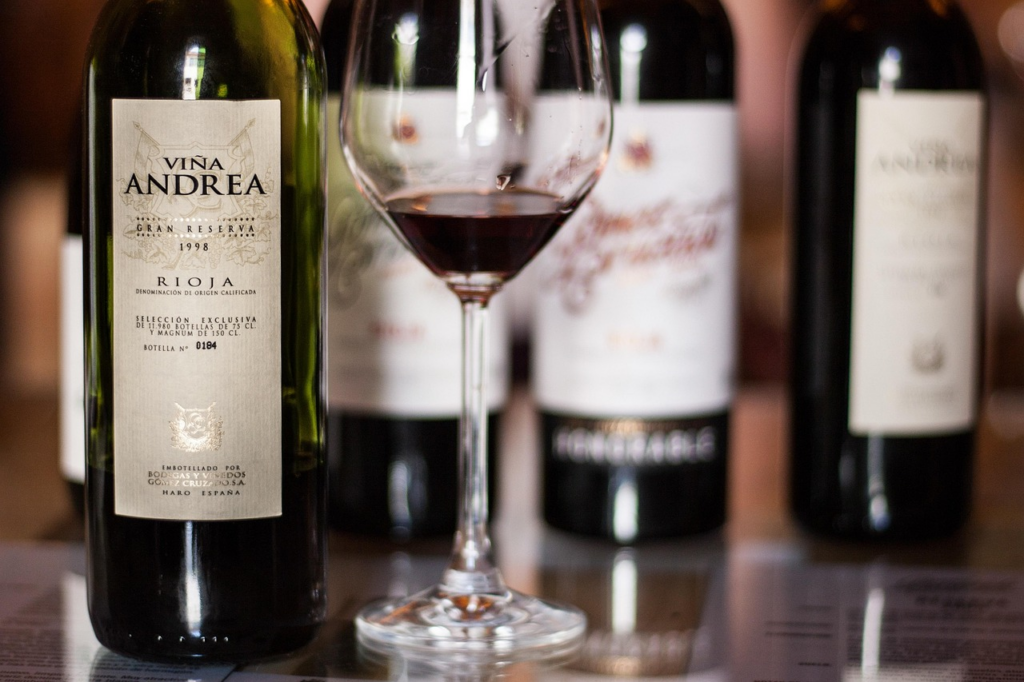
Dominant in Rioja, Ribera del Duero, and Toro, Tempranillo produces wines of remarkable structure, with notes of red berries, leather, tobacco, vanilla, and warm earth. When aged in oak, it evolves into something velvety and complex. Powerful yet restrained, much like Spain itself.
To drink Tempranillo is to sit at a long wooden table in a stone village, where time slows and conversation lingers.
2. Garnacha. The Sun-Kissed Expression of the Mediterranean
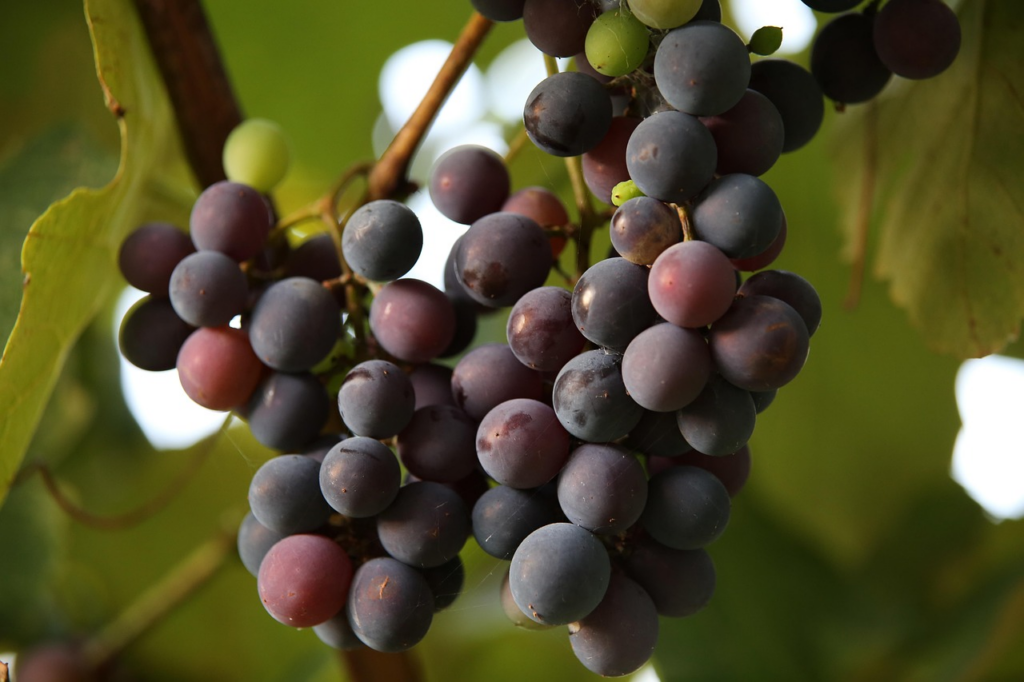
If Tempranillo is Spain’s backbone, Garnacha is its radiant soul. Thriving in arid landscapes and high-altitude vineyards, Garnacha flourishes in regions like Priorat, Calatayud, and Campo de Borja.
These wines are generous and expressive, filled with ripe strawberries, dark cherries, spice, and a warm alcoholic embrace. Garnacha captures the Mediterranean spirit, open, sensual, and unafraid of intensity.
Once considered a blending grape, Garnacha today is celebrated in elegant single-varietal expressions that rival the world’s great reds.
3. Verdejo. The Fresh Voice of Castile
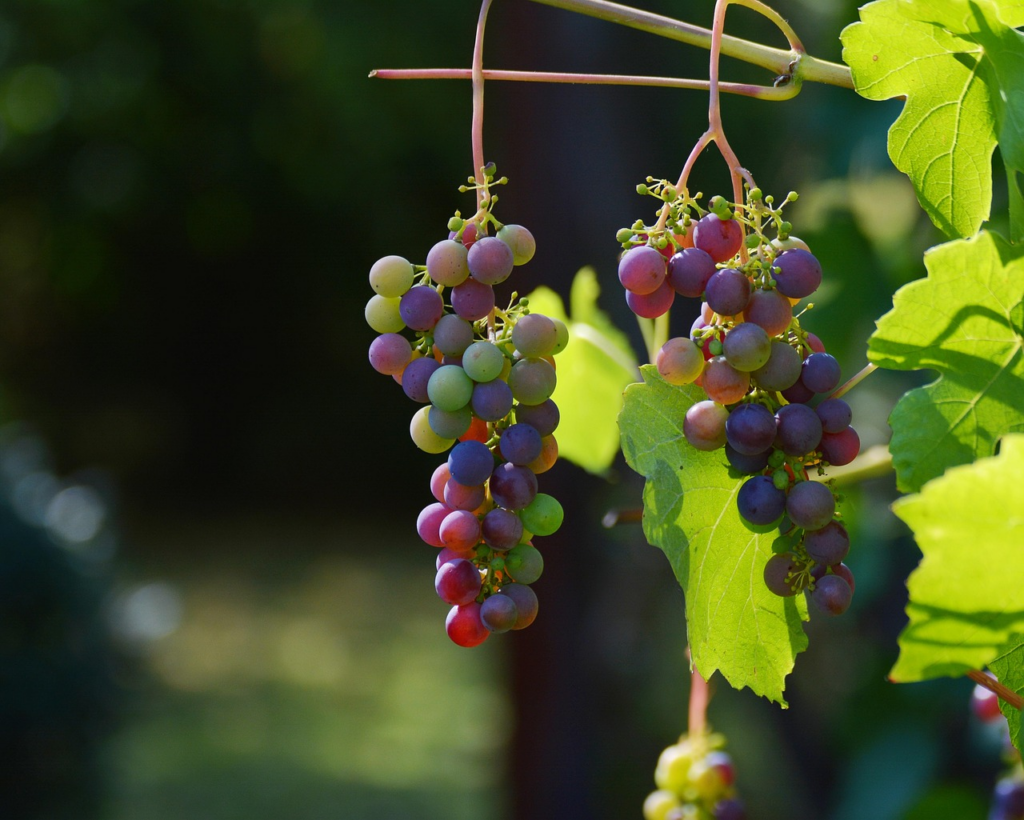
In the cool nights of Rueda, Verdejo reigns supreme. This white grape is responsible for some of Spain’s freshest and most vibrant wines, crisp, aromatic, and alive with citrus, fennel, green apple, and subtle bitterness.
Verdejo reflects the Castilian plateau, stark, luminous, and surprisingly refreshing. It is a wine made for golden afternoons, open terraces, and seafood lunches that stretch into evening. Pure, direct, and modern, Verdejo has become Spain’s most internationally recognized white variety.
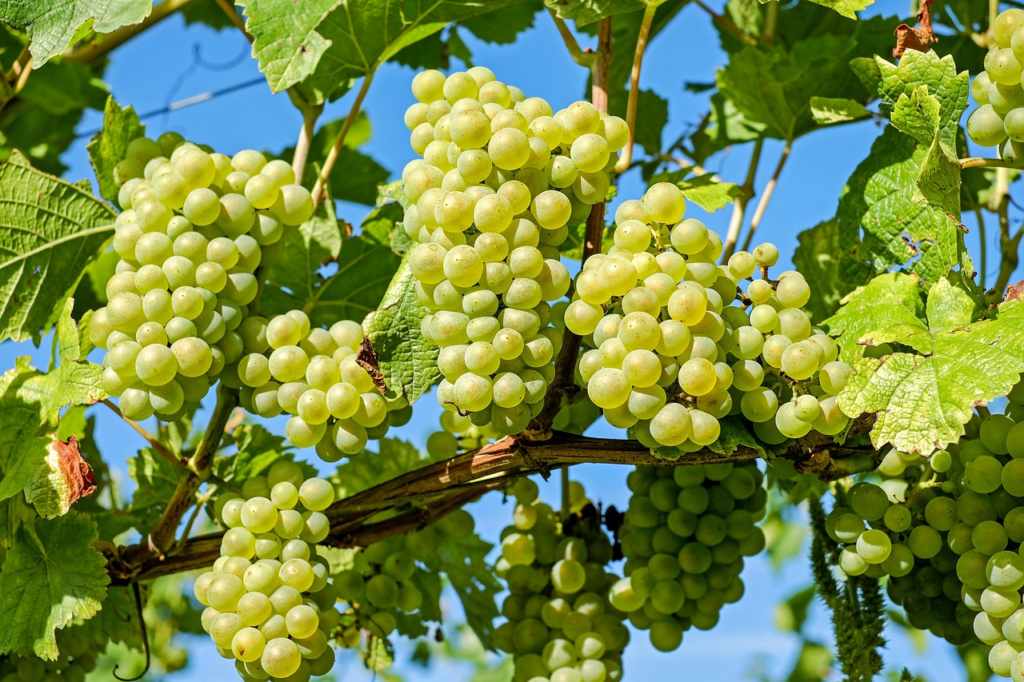
4. Albariño. Atlantic Elegance in a Glass
On Spain’s northwestern edge, where vineyards meet the Atlantic winds, Albariño thrives in the lush valleys of Rías Baixas. These wines are shaped by rain, salt air, and granite soils, resulting in an unmistakable maritime character.
Bright acidity, aromas of peach, lime, white flowers, and a delicate saline finish define Albariño. It is a wine of precision and light, made for oysters, shellfish, and slow coastal evenings where the ocean never feels far away.
Albariño is Spain’s Atlantic whisper, refined, mineral, and endlessly graceful.

5. Monastrell. The Wild Strength of the Southeast
In the dry heat of Jumilla, Yecla, and Alicante, the ancient grape Monastrell endures. Thick-skinned and resilient, it produces bold, deeply colored wines with flavors of dark fruit, herbs, smoke, and sun-baked earth.
These are wines of raw power and authenticity, shaped by unforgiving landscapes and centuries of survival. Monastrell tells a story of endurance, of vines rooted in stone, drawing life from scarcity.
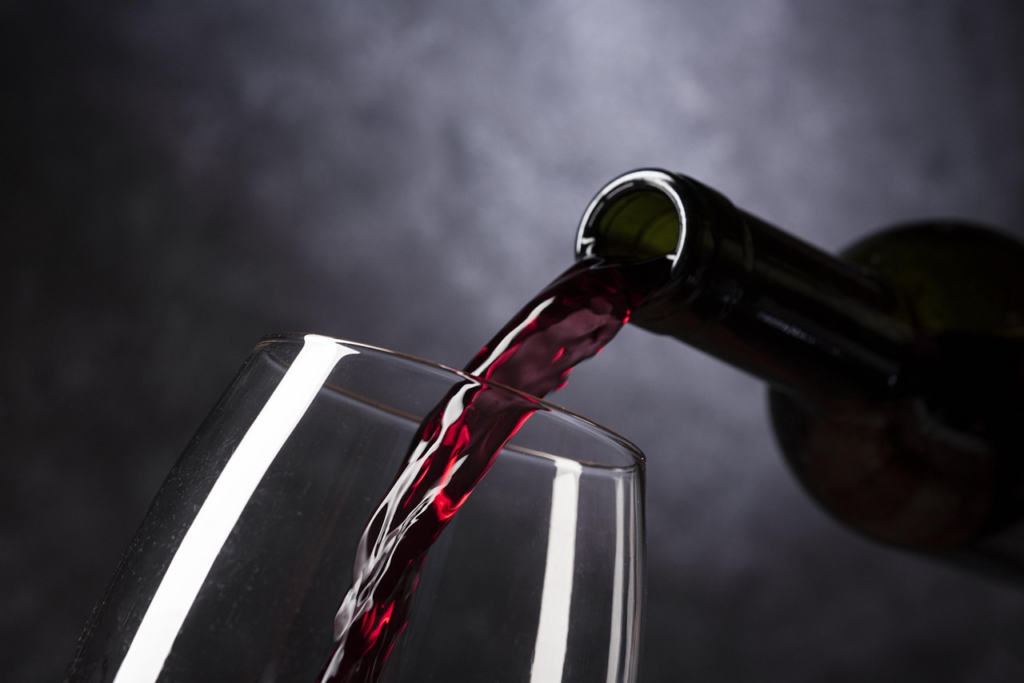
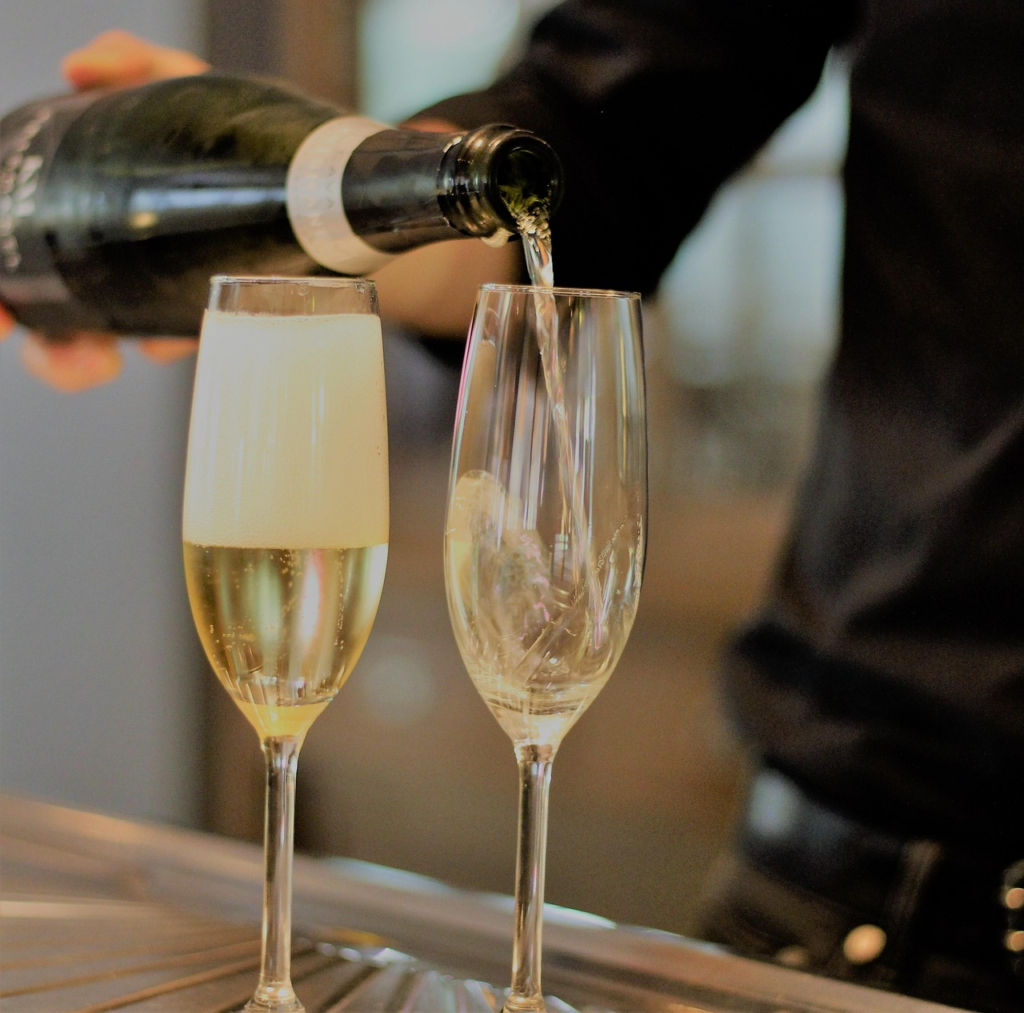
6. Cava Grapes. Spain’s Sparkling Tradition
Spain’s most celebrated sparkling wines come from Catalonia, crafted primarily from Macabeo, Xarel·lo, and Parellada. Together, they form the soul of Cava.
Macabeo brings softness and floral notes. Xarel·lo provides structure and acidity. Parellada adds finesse and freshness. When united through traditional bottle fermentation, they create sparkling wines of refinement, balance, and quiet celebration.
Cava is Spain’s answer to Champagne, not an imitation, but a distinct expression of Iberian soil and spirit.
7. Palomino. The Spirit of Andalusia
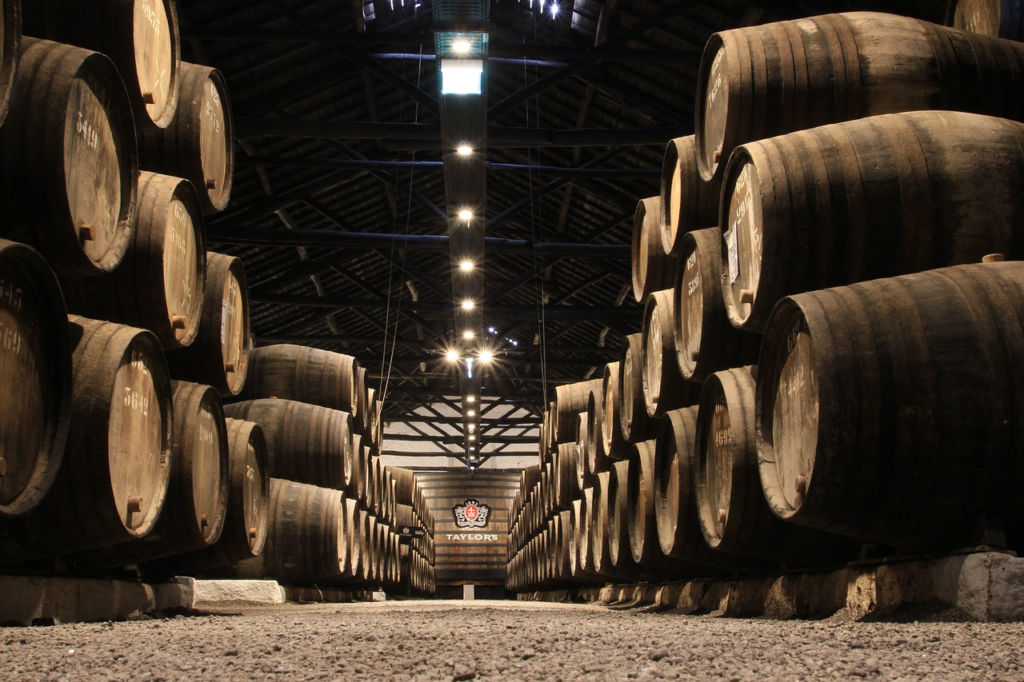
In the whitewashed towns of Jerez, Palomino is the essential grape behind Sherry, one of the world’s most misunderstood and most complex wines.
Neutral on its own, Palomino becomes extraordinary through oxidative aging under flor yeast. It transforms into Fino, Amontillado, and Oloroso, wines of almond, salt, caramel, and ancient wood.
To drink Sherry is to drink history itself, the echo of Moorish science, imperial trade routes, and candlelit bodegas where time ages differently.
A Country Bottled in Diversity
What makes Spain extraordinary is not one grape, but the coexistence of many. Over 70 indigenous wine varieties thrive across mountains, coasts, islands, and plains. From volcanic vineyards in the Canary Islands to high-altitude terraces in the Pyrenees, Spain’s wine identity is one of geographic and cultural plurality.
Modern Spanish winemaking is now defined by a return to native grapes, sustainable practices, and low-intervention techniques, where tradition and innovation speak the same language.
A Literary Companion: “The Wine Atlas of Spain” by Tim Atkin MW
For those who wish to explore Spain’s wine regions in greater depth, “The Wine Atlas of Spain” by Tim Atkin offers an essential companion. Beyond maps and technical detail, it captures the human stories behind the vineyards, the families, landscapes, and philosophies shaping modern Spanish wine.
Through its pages, Spain unfolds not just as a wine producer, but as a living, breathing wine civilization.
Source: HarperCollins / Absolute Press
The Taste of a Nation
Spanish wine is not designed for excess or ceremony alone. It is made for the table, for community, for moments that matter. It is poured at baptisms and funerals, at weddings and weekly lunches. It accompanies both silence and celebration.
To explore Spain through its wine varieties is to understand the country at its most intimate level. Rural and refined, ancient and evolving, grounded and poetic.
In every glass of Spanish wine, there is a journey. Not just across land, but across time.
Leave a Reply