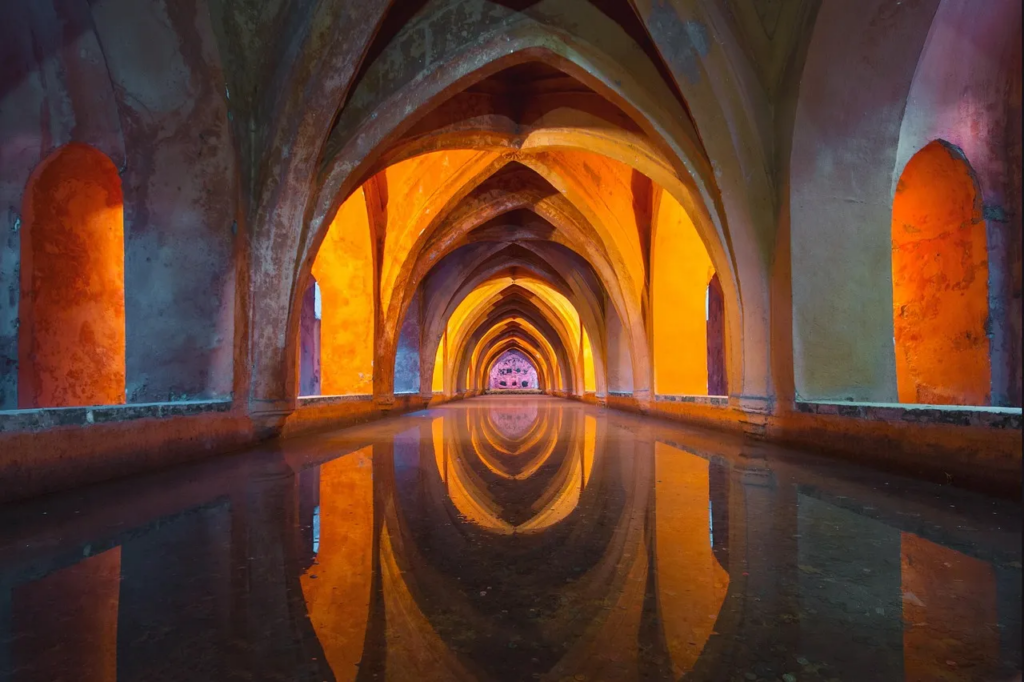
Imagine walking through a Spanish plaza at sunset, the air filled with guitar notes and the delicate perfume of orange blossom. The stones glow with a warm golden light. You pause, sensing that beneath your feet something ancient is breathing. Because here, every step is layered with centuries.
Spain has never been a single story. It has always been a crossroads, a meeting place of worlds. From the mysteries of Tartessos and the strength of the Celtiberians to the refinement of Rome and the brilliance of Al-Andalus, each civilization left an imprint that still pulses through the country’s cultural rhythm today. This is not the tale of one past, but of many pasts woven together into a living mosaic.
Tartessos. The First Kingdom of the West
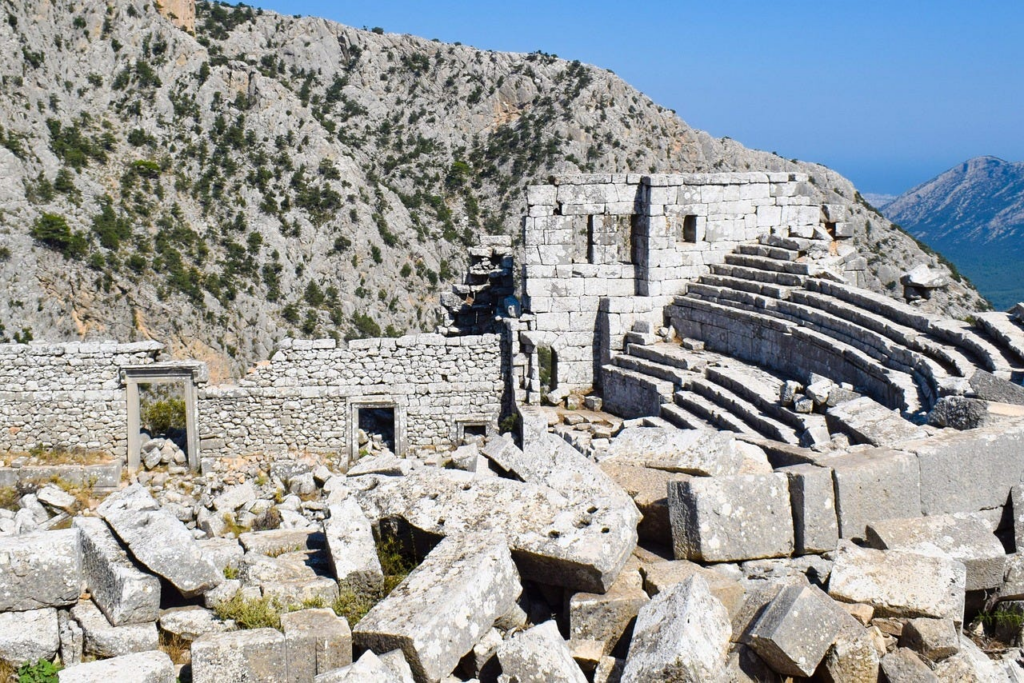
Long before Rome and even before the Phoenicians, a legendary civilization flourished in the southwest of the Iberian Peninsula near what is now Andalusia. Tartessos was known for its wealth, its mastery of silver and gold, and its vibrant trade with Mediterranean cultures. Ancient chroniclers spoke of a prosperous capital near the mouth of the Guadalquivir River, a place where nature, divinity, and the sea converged.
Much about Tartessos remains wrapped in mystery, yet its legacy is essential. It reminds us that Spain’s earliest chapter was already cosmopolitan, connected, and luminous.
The Iberians. Sculptors, Traders, and the Dawn of Art
Along the eastern and southern coasts lived the Iberians, a sophisticated people deeply connected to the Mediterranean world. They built fortified towns, minted their own coins, and developed forms of writing influenced by contact with Phoenicians and Greeks.
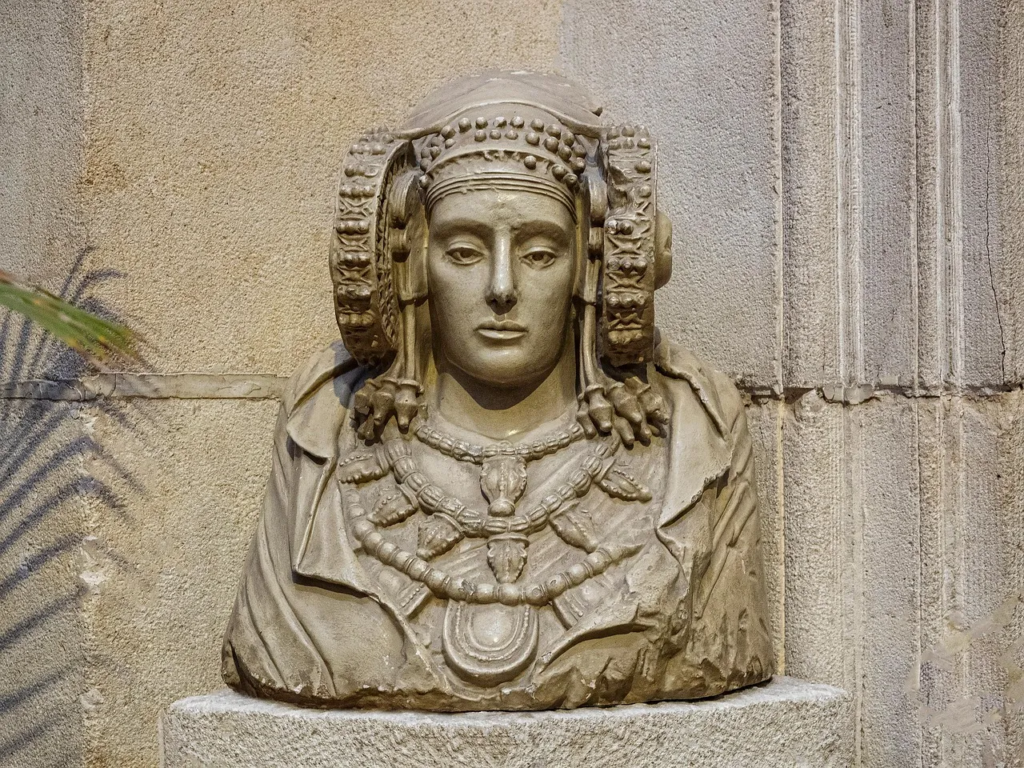
Their artistic legacy survives most famously in the Dama de Elche, a limestone bust that captures both elegance and enigma. The Iberians shaped a culture of refinement and spirituality, standing at the threshold between the native interior of Iberia and the wider maritime world.
The Celtiberians. The Spirit of the Land
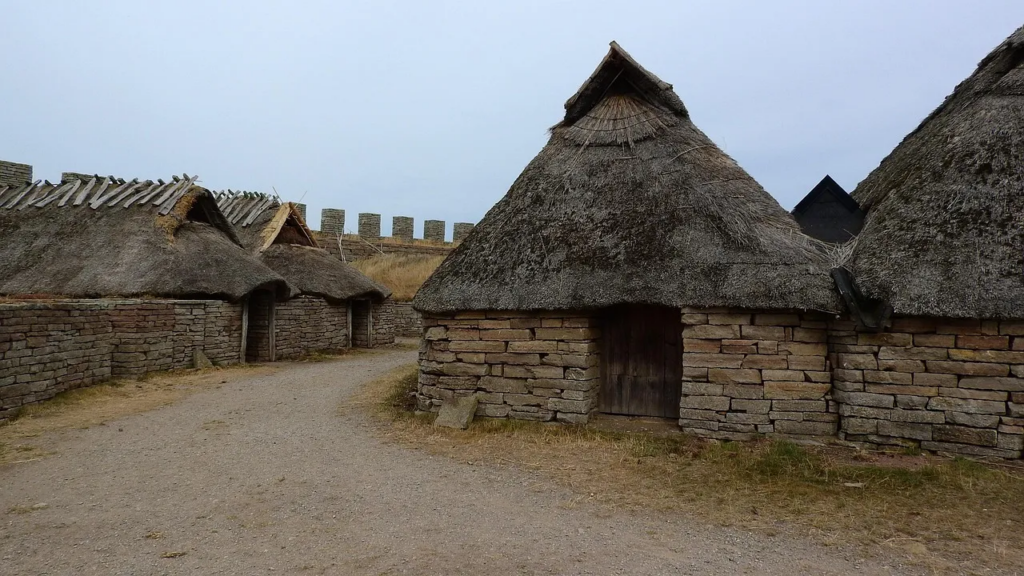
In the heart of the peninsula, the Celtiberians formed from the fusion of indigenous Iberian peoples and migrating Celts. They were warriors, farmers, and metalworkers who built hilltop settlements and forged a culture of resilience.
Their resistance against Rome, especially the legendary defense of Numantia, became a symbol of identity rooted in land, independence, and endurance. The Celtiberian spirit gave Spain something intangible yet lasting, a deep connection between people and territory.
The Phoenicians. Traders of the Sea
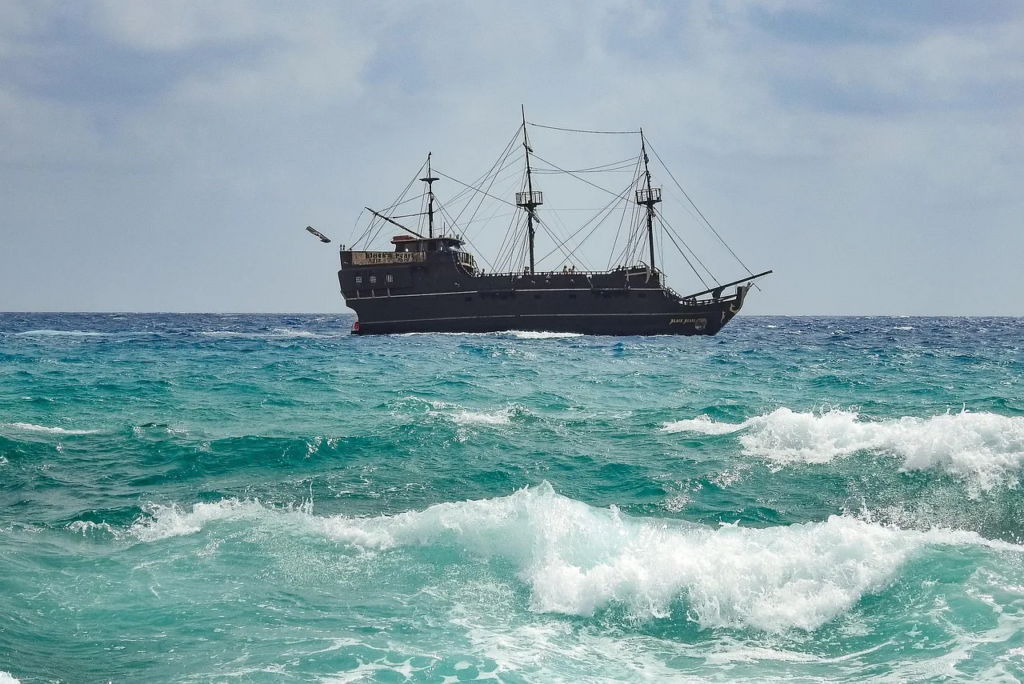
Around 800 BCE, Phoenician ships reached the southern coasts of Iberia and founded Gadir, present-day Cádiz, one of the oldest continuously inhabited cities in Europe. With them came navigation, commerce, craftsmanship, and writing.
More than goods, they brought connection. Through the Phoenicians, Iberia became part of a vast Mediterranean network. The idea of Spain as a land open to the world begins with their arrival.
The Romans. Roads, Law, and the Latin Soul
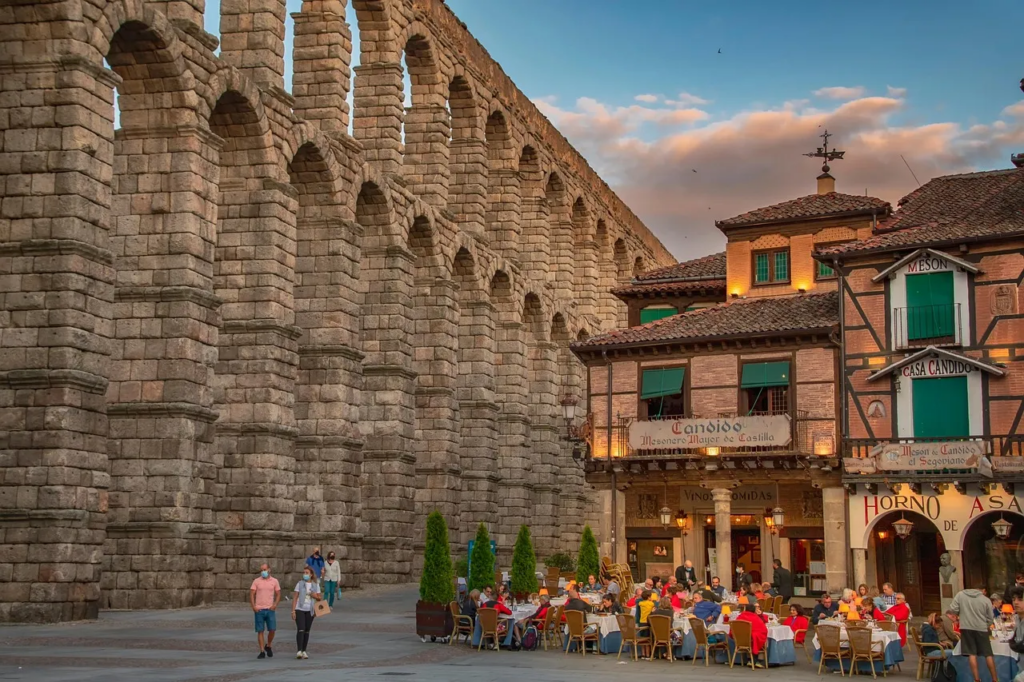
By the second century BCE, Rome had transformed the peninsula into Hispania. Roman roads stitched the land together, aqueducts carried water to new cities, and Latin became the root of the Spanish language.
Rome left behind an enduring sense of structure, law, and belonging to a wider civilization. Even today, Roman bridges cross Spanish rivers and Latin echoes in every conversation. Rome gave Spain its bones, its language, and its civic order.
The Visigoths. The Kingdom Between Empires
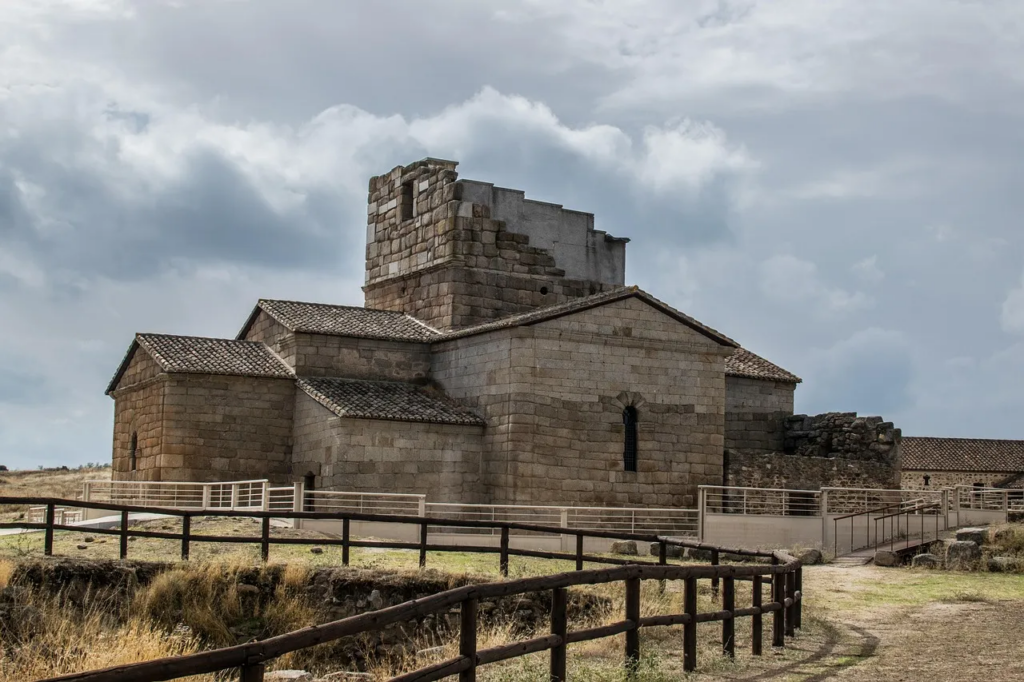
After the fall of Rome, the Visigoths established their kingdom with its capital in Toledo. They preserved Roman governance while strengthening Christianity as the unifying faith of the peninsula.
Their influence survives in Spain’s legal traditions, monarchy, and even in names such as Alfonso and Rodrigo. The Visigoths stand as the bridge between classical antiquity and medieval Spain, carrying forward the legacy of both worlds.
Al-Andalus. The Arab Islamic Golden Age
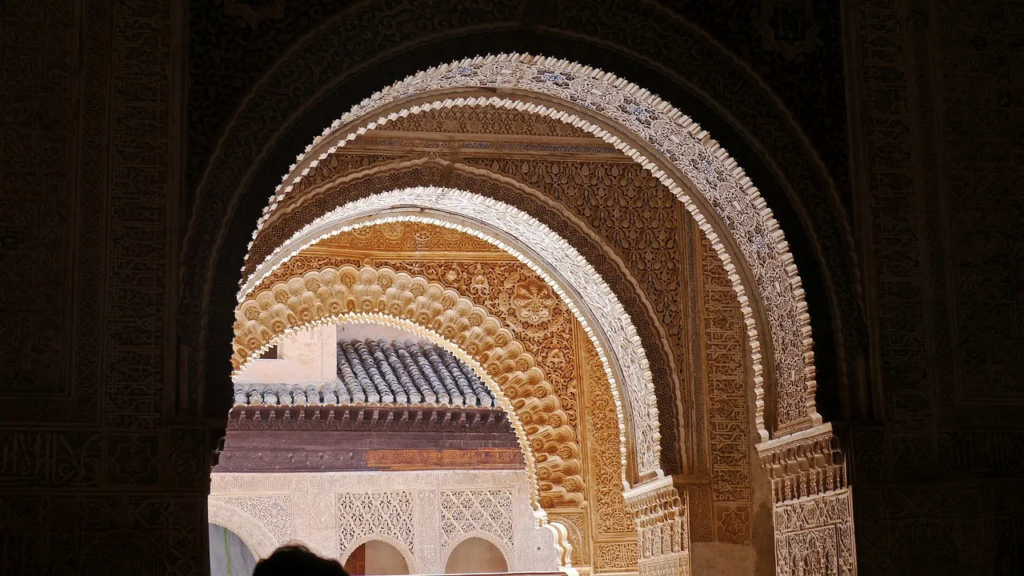
In 711 CE, Muslim forces crossed the Strait of Gibraltar and opened one of the most luminous chapters in Iberian history. For centuries, Al-Andalus flourished as a center of knowledge, poetry, architecture, and coexistence.
Córdoba, Sevilla, and Granada became cities of light and learning. Arabic influence shaped language, agriculture, cuisine, science, and architecture. Words like aceite, azúcar, and almohada, the irrigation systems of the fields, the arches of Córdoba, and the gardens of the Alhambra all speak of this era.
This was not merely a time of conquest, but of creation and exchange, a civilization built on dialogue between cultures.
The Christian Kingdoms. The Birth of a Nation
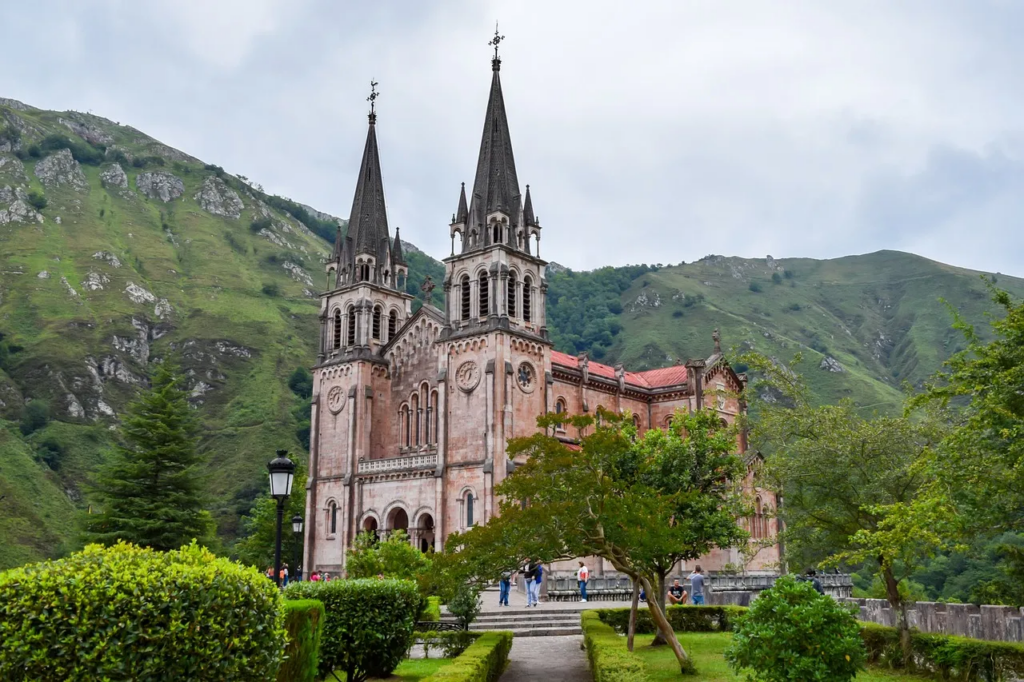
From the northern mountains, the Christian kingdoms of Asturias, León, Castile, and Aragon began the long process known as the Reconquista. It unfolded slowly, not only through conflict but through continuous cultural blending.
When Granada fell in 1492, the Catholic Monarchs ruled a land already layered with Roman, Visigothic, and Islamic legacies. Even as cathedrals rose over former mosques, the aesthetic of Al-Andalus remained, giving birth to styles such as Mudéjar, a uniquely Spanish fusion of Gothic and Islamic design.
This moment marked the political birth of Spain, but culturally it was already profoundly mixed.
The Fusion. The DNA of Spanish Culture
Spain’s identity is written in fusion. The Spanish language carries Latin at its foundation, enriched by Arabic and marked by Visigothic and Celtic traces. In its cities, Roman columns stand beside Moorish courtyards and Christian towers. In its cuisine, olive oil, saffron, rice, and wine tell stories of empires and exchanges.
Even the spirit of Spain reflects this blend. Its rhythms, festivals, and traditions arise from a dialogue between Mediterranean, European, African, and uniquely Iberian influences.
Later Layers. France and Beyond
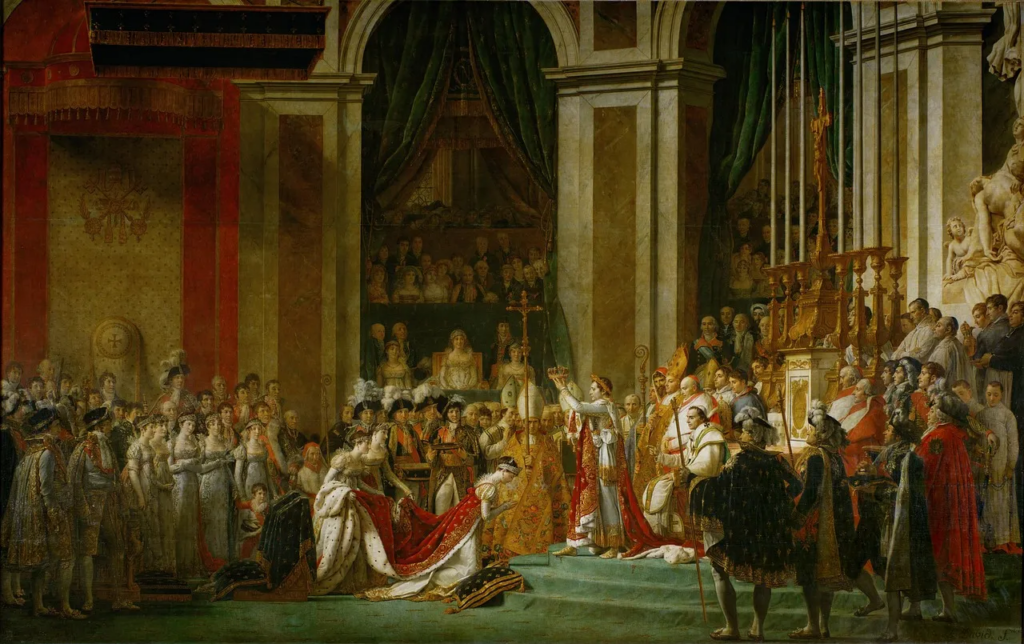
History did not halt in the Middle Ages. In the nineteenth century, the Napoleonic invasion brought new political ideas, modern governance, and revolutionary tensions between tradition and change. Once again, Spain absorbed foreign influence and reshaped it into its own identity.
Yet beneath these later layers, the deepest roots of Spanish culture remain those planted by its ancient civilizations.
The Beauty of Layers
Spain has never been built on a single foundation, but on many overlapping ones. From Tartessos to Al-Andalus, from Celtic warriors to Roman engineers, from Phoenician traders to Christian kings, each civilization added a thread to a tapestry that continues to grow.
When you walk through a Spanish plaza, when you hear a guitar echo beneath a Roman bridge, when you taste saffron rice under the shade of an orange tree, you are not simply in Spain. You are walking through history.
Spain is not a nation built on ruins. It is a nation built on layers.
Leave a Reply