
Few desserts capture the essence of Spanish culinary tradition like torrijas. Often compared to French toast, these humble slices of bread are elevated through centuries of ritual, flavor, and craftsmanship. Torrijas are more than a treat; they are a symbol of Lent, family gatherings, and the rhythms of Spanish life.
Origins and Cultural Significance
Torrijas date back to at least the 15th century, originating as a way to transform stale bread into a comforting and flavorful dish. Traditionally prepared during Holy Week, torrijas allowed households to create something indulgent while observing Lenten abstinence. Over time, they became a beloved seasonal specialty, celebrated across Spain, from the bustling streets of Seville to the quiet villages of Castile and Andalusia.
Crafting the Perfect Torrija
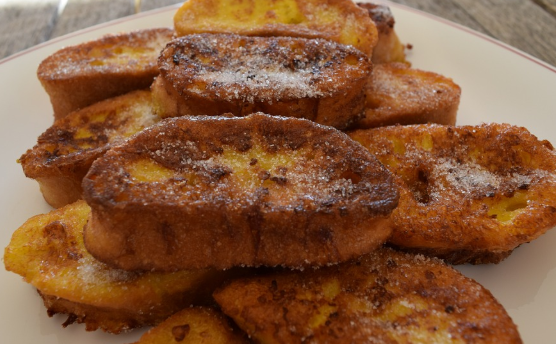
The preparation of torrijas is deceptively simple but requires care and attention. Thick slices of bread are soaked in milk, sometimes infused with honey, wine, or cinnamon. They are then dipped in beaten eggs and fried to a golden perfection. Once cooked, they are often finished with a sprinkling of sugar, cinnamon, or a drizzle of syrup. The result is crispy on the outside, tender on the inside, and aromatic with seasonal spices.
Different regions have their own variations. In Andalusia, torrijas may be soaked in sweet wine or honey, emphasizing richness and indulgence. In Castile, milk and cinnamon dominate, creating a creamy, fragrant dessert that celebrates simplicity. Each recipe reflects local ingredients, climate, and taste preferences, making torrijas a culinary map of Spain.
Torrijas as a Cultural Experience
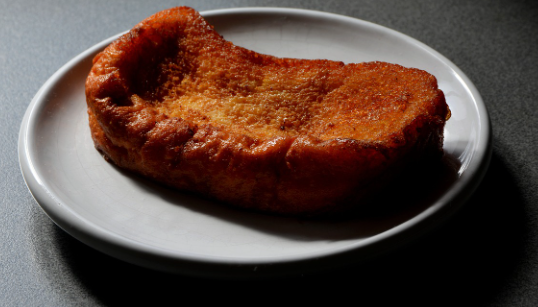
Torrijas are not merely food; they are a ritual and a story. Families pass down recipes through generations, preserving subtle techniques and flavor combinations. During Holy Week, cafés and bakeries fill with the scent of frying bread and cinnamon, creating a sensory backdrop for shared memory and communal celebration.
For travelers, tasting torrijas is an invitation into Spanish life and tradition. Whether enjoyed at a bustling café in Madrid or a quiet kitchen in Granada, a perfectly made torrija offers a taste of history, devotion, and craftsmanship that transcends the ordinary.
Beyond Lent
While torrijas are most closely associated with Holy Week, their appeal has become year-round. Contemporary chefs experiment with variations, infusing them with chocolate, fruit, or liqueur, creating a modern take on a centuries-old favorite. Despite these innovations, the essence of the dish remains the same: bread transformed into comfort, sweetness, and memory.
Leave a Reply