
Mission, Dispersal and the Roots of the Early Church
After the death, resurrection, and ascension of Jesus of Nazareth in the early first century, the community of his disciples entered what is known as the apostolic age, a formative era when Christianity evolved from a Jerusalem-centered movement into a global faith.
The New Testament book of Acts and the Gospels describe a moment after Jesus’ ascension when the disciples received the command to go out into the world, proclaiming the good news of salvation and making disciples of all nations. From that core commission emerged a powerful wave of missionary movement, as the apostles and early followers scattered from Jerusalem through Judea, Samaria, and across the Roman Empire. This dispersal was not a single journey but a constellation of pilgrimages and missionary endeavors that spanned decades.
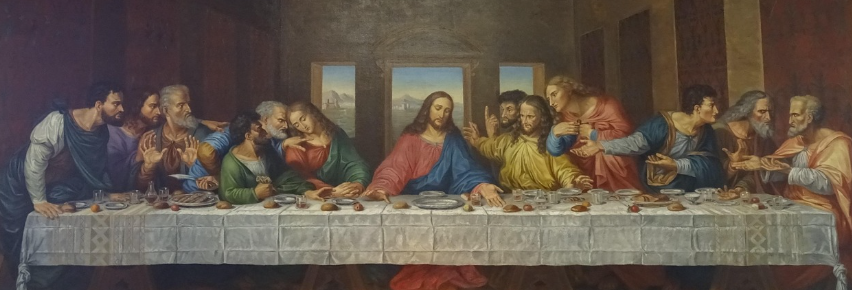
Jerusalem and the Birth of the Mission
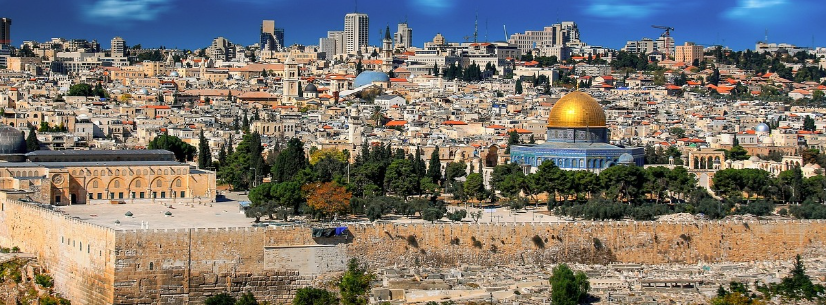
In the days immediately after the ascension, Jerusalem remained the spiritual and organizational heart of the early church. The disciples gathered with Mary, the mother of Jesus, and several women who had followed him throughout his ministry. Together they devoted themselves to prayer and awaited the promised descent of the Holy Spirit at Pentecost.
This period of waiting and fellowship was crucial because it bound the original community together and prepared them for the work ahead. Pentecost marked the transition from inward devotion to outward mission, infusing the apostles with boldness to declare Jesus’ resurrection and lordship. From Jerusalem, believers began to spread outward, first among the Jewish diaspora and then into Gentile regions, laying the foundations of Christian communities across the Roman world.
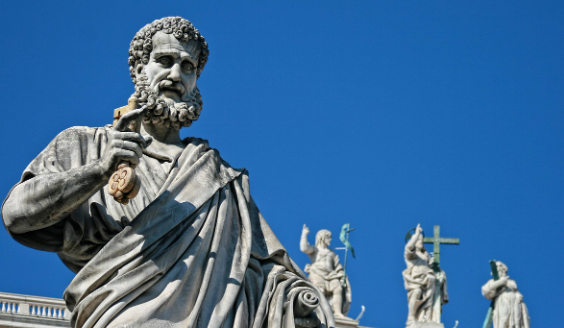
Peter, the Rock in the East and West
Peter, also called Simon, was among the most prominent leaders of the early disciples. After Pentecost, he preached in and around Jerusalem and Judea, performing ministries that drew diverse audiences to the faith. Tradition holds that he travelled beyond Palestine into regions of Asia Minor, including Pontus, Galatia, and Cappadocia, preaching among both Jews and Gentiles.
Later traditions place him in Rome, where he became a defining figure in the Christian community of the imperial capital. According to early accounts, Peter was martyred in Rome under the emperor Nero, choosing to be crucified at his own request in a posture of humility. Peter’s journeys helped establish one of the earliest and most enduring Christian centers, anchoring the faith in the heart of the empire.
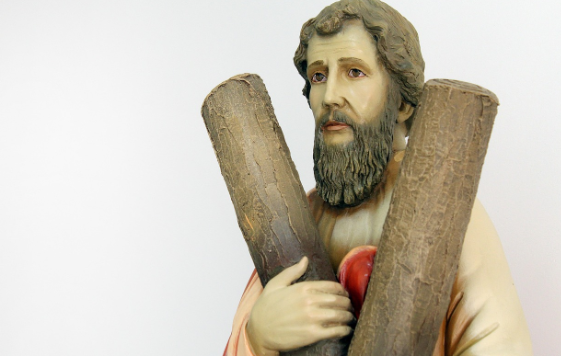
Andrew, the Eastward Missionary
Andrew, the brother of Peter, carried the Gospel message north and east from Jerusalem. Traditional accounts associate him with missionary work in regions around the Black Sea, especially in Scythia and Greece, where he is venerated as a foundational evangelist.
In Greece, tradition holds that Andrew was martyred on an X-shaped cross in the city of Patras. His legacy endured in Greek Christian tradition and in communities throughout the Eastern Mediterranean that revered him as a harbinger of the faith.
James the Greater: Jerusalem, Spain, and Pilgrimage
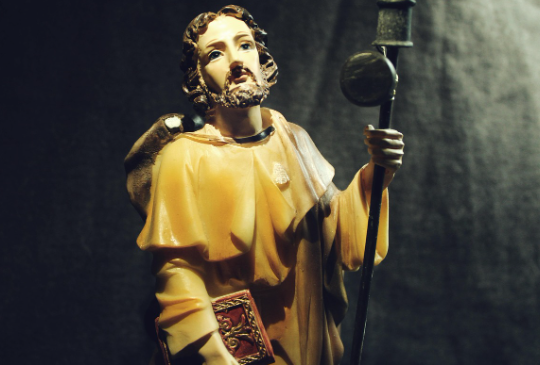
James the Greater, son of Zebedee, is among the most celebrated apostles in Western Christian memory. He preached first in Judea and Jerusalem before tradition places him in the Iberian Peninsula, where he is credited with bringing the Christian message to Spain.
One account holds that he journeyed through regions of present-day Galicia, preaching and establishing early Christian witness. After his martyrdom in Jerusalem, his followers transported his remains to what became known as Santiago de Compostela, a site that grew into one of Christianity’s most famous pilgrimage destinations. The Camino de Santiago, the pilgrimage routes leading to his shrine, remain a living testament to the power of apostolic legacy, blending devotion, culture, and personal transformation for travelers to this day.
John the Theologian: Asia Minor and Ephesus
John, known as the beloved disciple, remained close to Jesus throughout his ministry and after the resurrection. Christian tradition states that he ministered primarily in Asia Minor (modern Turkey). Here, he helped to shape early Christian communities and contributed to the theological depth of the tradition through writings attributed to him.
Many accounts hold that John settled in Ephesus, a major port city of the Roman Empire, where he continued teaching and pastoral leadership until his death from natural causes. His presence in Asia helped establish one of the earliest and most intellectually vibrant Christian churches.

Thomas, Philip, Bartholomew, and the Eastern Missions
Several apostles are associated with profound eastern journeys. Thomas, often linked to mission work beyond the Roman world, is traditionally believed to have carried the Gospel to India, where early Christian communities trace their origins to his ministry.
Philip and Bartholomew are connected with missions in regions such as Phrygia and Armenia, where Christian witness took root against the backdrop of diverse religious cultures. These stories reflect the early church’s expansion as a tapestry of intercultural encounter, risk, and faith.
Mary Magdalene: First Witness and Pilgrim Tradition
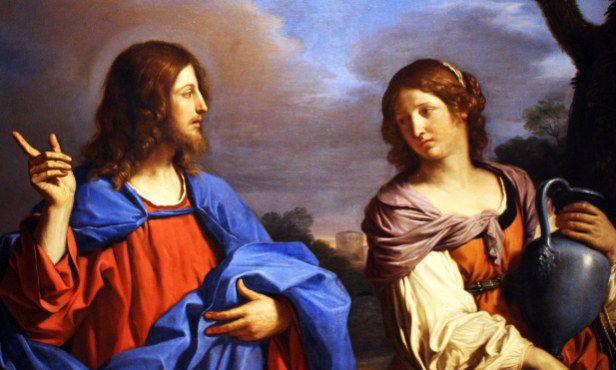
Though not one of the Twelve, Mary Magdalene holds a unique place in the apostolic story. She followed Jesus closely, supported his ministry, and stood at the cross when many disciples fled. She is recorded as the first to witness the risen Christ and was commissioned to proclaim this truth to the apostles, earning her the title of apostle to the apostles.
Later traditions, particularly in Western Christianity, hold that Mary Magdalene fled after the turmoil in Judea with companions to southern Gaul, at Saintes-Maries-de-la-Mer. She is said to have preached in Provence and lived as a hermit in the cave of Sainte-Baume before her death. Her story symbolizes the deep influence of women in early Christian witness and the spread of the faith beyond the immediate circle of apostles.
The Virgin Mary: Heart of the Jerusalem Community
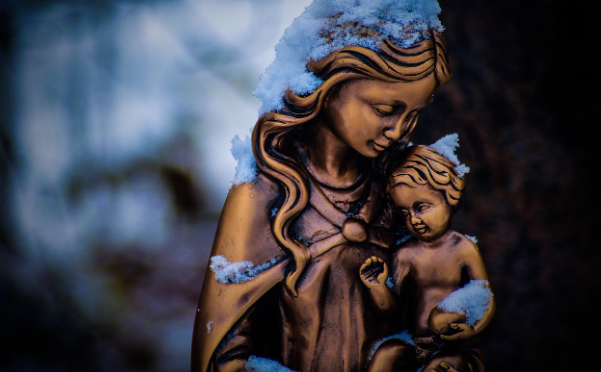
The role of the Virgin Mary after the resurrection is centered on devotion and presence rather than travel. She remained with the disciples in Jerusalem, especially at the cenacle where they prayed together. Her presence was foundational to the unity, prayer life, and identity of the nascent church. While she did not embark on missionary journeys, her witness and guidance nurtured the early Christian community.
Legacy and Cultural Impact
The journeys of the apostles are a blend of biblical record, early Christian tradition, and later hagiography. While precise historical routes are debated, the enduring legacy of these movements is undeniable. Communities of believers across Europe, Asia, and Africa trace their origins to the missionary spirit radiating from Jerusalem after the resurrection.
What began with a handful of disciples convinced of the risen Christ became a faith that spread to cities, towns, and remote regions. Their stories continue to inspire pilgrims, historians, and believers, demonstrating how conviction, courage, and faith transformed the ancient world and laid the foundations of global Christianity.

Leave a Reply