
The Legend Behind the Mask
Madrid has always had two faces—its noble boulevards and its shadowed alleys. In the 19th century, when the city was still wrapped in carriages and candlelight, one man blurred the line between hero and outlaw: Luis Candelas, the gentleman thief who stole from the rich, charmed the guards, and captivated a city.
He wasn’t a brute or a bandit in rags. Candelas was refined, witty, and impeccably dressed. He moved through Madrid’s taverns and theatres like a man who belonged everywhere and nowhere at once. To the poor, he was a legend. To the authorities, a ghost.
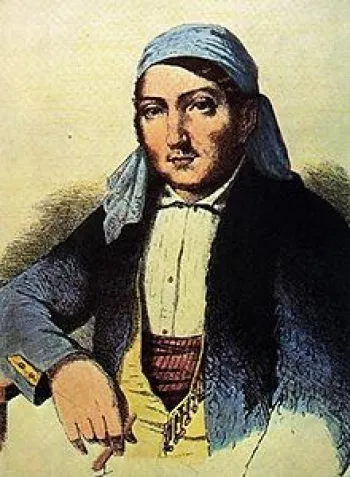
Madrid in the 1800s: A City of Contrasts
To understand Candelas, you must picture Madrid at the time: a city of elegance and excess, but also of poverty and unrest. The Bourbon monarchy was trying to modernize Spain, yet inequality shadowed every cobbled street.
In Lavapiés, where Candelas was born, survival often meant cunning. He learned early that charm could be as powerful as a pistol. He became a master of disguise, slipping between social classes with the ease of an actor changing masks.
The Gentleman Thief
Luis Candelas didn’t steal blindly. He was known for his selective justice—robbing corrupt officials and wealthy travelers while sparing the common folk. According to legend, he never shed blood. He preferred wit over violence, conversation over confrontation.
He became a symbol of rebellion wrapped in courtesy—a criminal who embodied the Spanish saying: “No todo ladrón es villano” (Not every thief is a villain).
Arrest, Betrayal, and Legacy
Candelas’ downfall came not through capture, but betrayal. He was arrested in 1837 after one of his lovers revealed his hiding place. Even then, he faced his fate with composure. As he was led to the gallows near Plaza de la Cebada, witnesses say he addressed the crowd calmly:
“Adiós, patria mía. Sé feliz.”
Farewell, my country. Be happy.
That final line immortalized him—not as a common thief, but as a man who understood the poetry of defiance.
Tracing Candelas’ Madrid Today
Walk through Lavapiés, and his story still lingers in the air. The narrow streets whisper of secrets and survival. In La Taberna de Candelas, his name adorns the walls—a reminder of the city’s fascination with those who lived between morality and myth.
Madrid remembers him not for his crimes, but for his style, his intelligence, and his audacity to live by his own code.
The Caves of Luis Candelas
Just beside Madrid’s Plaza Mayor, beneath the stone arches of Arco de Cuchilleros, lies a place where his legend never quite died: Las Cuevas de Luis Candelas.
This historic restaurant is set in the actual caves where, according to lore, the bandit once hid from the law.
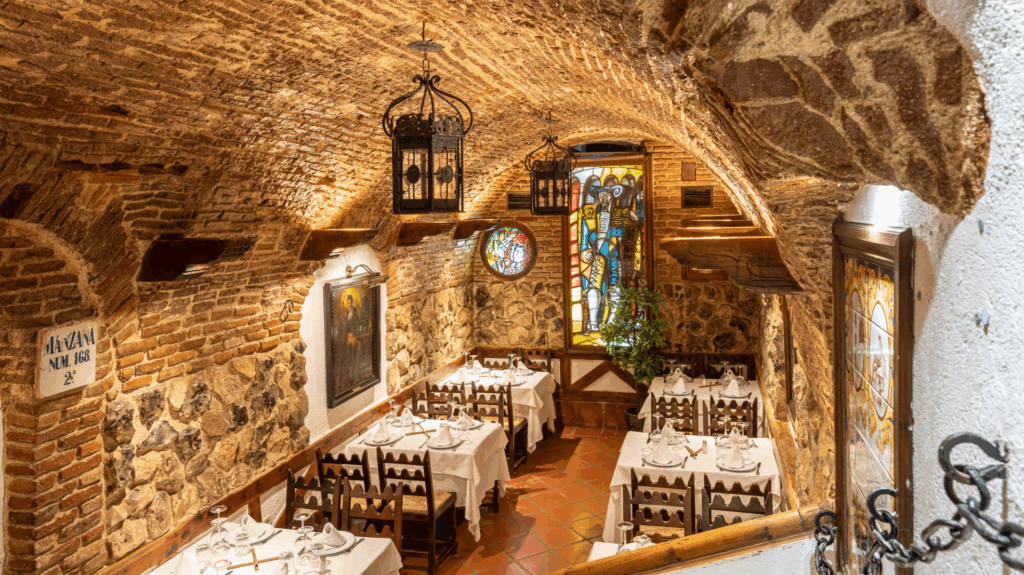
Step inside, and the air feels heavier—like history breathing through brick. The vaulted cellars glow with warm lamplight, and waiters in period dress serve traditional Castilian dishes: roast lamb, garlic soup, and Rioja wine poured generously into terracotta jugs.
It’s easy to imagine Candelas himself at one of the wooden tables, plotting his next escapade with a sly smile and a glass in hand. The restaurant keeps his memory alive not as a criminal, but as part of Madrid’s folklore—a place where rebellion meets romance, and myth lingers just below the surface.
The Spirit That Endures
Luis Candelas remains part of Madrid’s identity—the eternal rebel with impeccable manners. His story speaks to something timeless in the Spanish spirit: a refusal to bow completely to authority, a love for freedom dressed in elegance.
Because in every city, there are those who follow the rules—and those, like Candelas, who write their own.

Leave a Reply