
In the waning light of medieval Spain, the story of Boabdil, the last Nasrid ruler of Granada, unfolds as a tale of power, loss, and enduring legacy. Known formally as Muhammad XII, Boabdil’s reign marked the end of Muslim rule on the Iberian Peninsula and the close of centuries of Islamic culture in Al-Andalus. His story is one of political fragility, familial conflict, and personal reflection, leaving an indelible mark on Spanish history.
A Prince Caught Between Worlds
Born into the royal Nasrid family of Granada in the mid-fifteenth century, Boabdil ascended the throne amid internal strife and the mounting pressure of the Catholic Monarchs, Ferdinand and Isabella. Granada had long been a jewel of learning, architecture, and diplomacy, its palaces adorned with intricate mosaics and gardens that celebrated both beauty and intellect. Boabdil inherited a kingdom rich in culture but surrounded by forces determined to unify Spain under Christian rule.
The Fall of Granada
Boabdil’s reign was tumultuous. Civil war within the Nasrid family weakened his position, while Ferdinand and Isabella’s armies advanced steadily. In 1492, after years of siege and negotiation, Boabdil surrendered Granada. The terms allowed for relative safety for him and his people, but the surrender marked the symbolic end of centuries of Muslim sovereignty in Iberia.
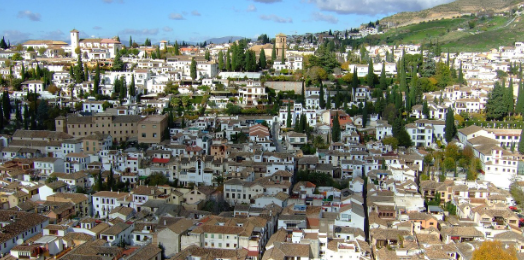
Legend holds that upon leaving Granada, Boabdil paused at a hill known as El Suspiro del Moro, the “Sigh of the Moor,” to gaze one last time upon the city he had lost. This image of melancholy and dignity endures in Spanish memory, encapsulating the bittersweet nature of history and the passage of eras.
Cultural Legacy
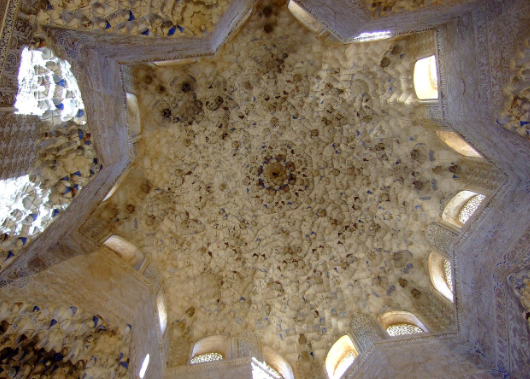
Despite his political defeat, Boabdil’s legacy endures through Granada itself, particularly in the Alhambra, the palace-fortress that symbolizes the height of Nasrid art and architecture. The Alhambra’s intricate arches, serene patios, and geometric gardens reflect a sophisticated civilization, reminding visitors of the intellectual and artistic achievements of Boabdil’s ancestors. Boabdil himself has become a literary and cultural figure, often depicted in poetry, novels, and art as a tragic hero who witnessed the end of an age.
Reflections on Leadership and Humanity
Boabdil’s story resonates beyond history. It is a narrative of compromise, resilience, and the weight of responsibility. Caught between loyalty to his people and the pressures of history, he exemplifies the complexity of leadership in times of crisis. His life encourages reflection on the human dimension of political events: fear, hope, grief, and the quiet dignity with which one confronts the inevitable.
Remembering Boabdil Today
Today, Boabdil is remembered not only for the loss of Granada but for the richness of the culture he inherited and preserved during his reign. Visitors to the Alhambra, walking through its halls and gardens, encounter the echoes of his era, a world where poetry, architecture, and governance intertwined. Boabdil’s legacy is a reminder that history is never solely about conquest; it is also about the enduring imprint of art, memory, and human aspiration.
Leave a Reply