
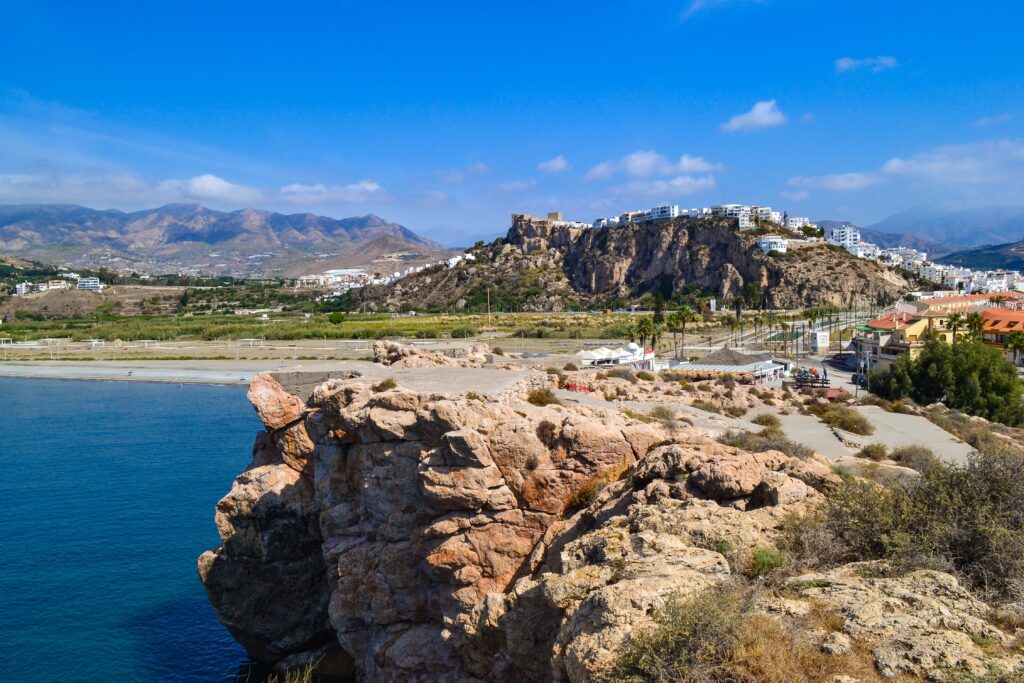
Between the Andalusian towns of Motril and Almuñécar lies Salobreña, a whitewashed village by the Mediterranean, crowned by a castle and steeped in centuries of history. Once surrounded by sugarcane fields and bordered by the Guadalfeo River, its coastline is marked by a striking rock rising from the sea—an unmistakable symbol of the town.
The story of Salobreña reaches back to the Neolithic, when the great Rock was still an island. The most vivid trace of those first settlers is the Captain’s Cave, a reminder of the town’s prehistoric past. Later came the Phoenicians, who named it Selambina, followed by the Romans, and in the 8th century the Muslims, who called it Shalubanya and brought sugarcane cultivation that would shape the region. Finally, with the Christian Reconquest, Salobreña entered a new chapter—one still visible in its architecture and traditions.
Climbing into the upper village, the view is a pure Mediterranean vision: whitewashed houses cascading down the hillside, gardens bursting with flowers, narrow streets alive with Andalusian character, and the 10th-century castle keeping watch. Legends whisper that it was here Abd al-Rahman III first set foot in Al-Andalus, and where the story of the three princesses of the Alhambra—locked away by their father and freed by forbidden love—still lingers in memory.
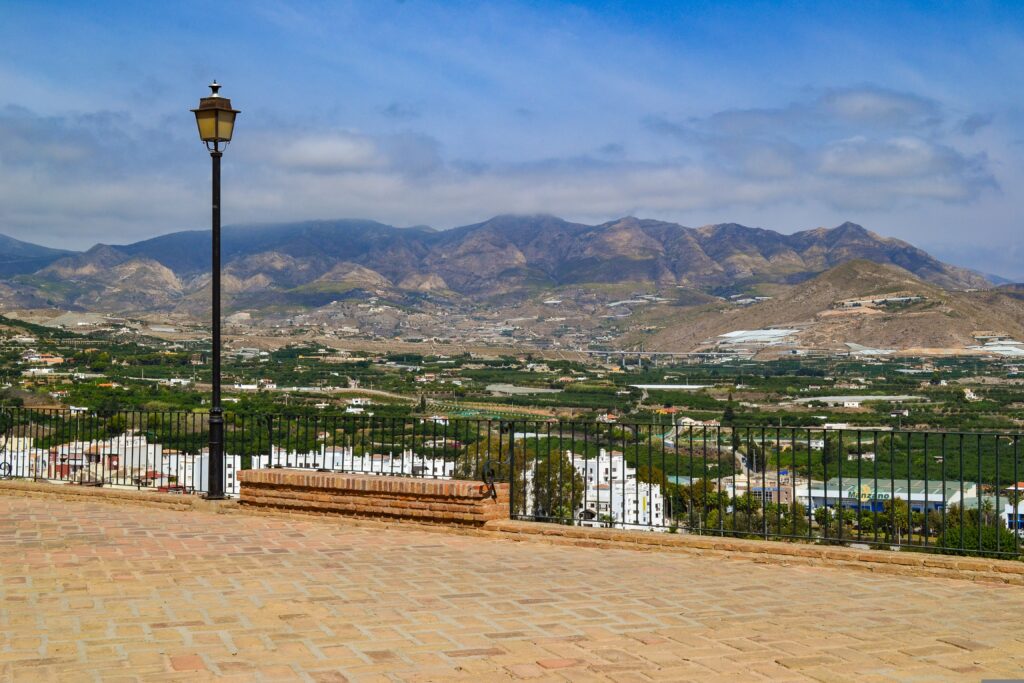
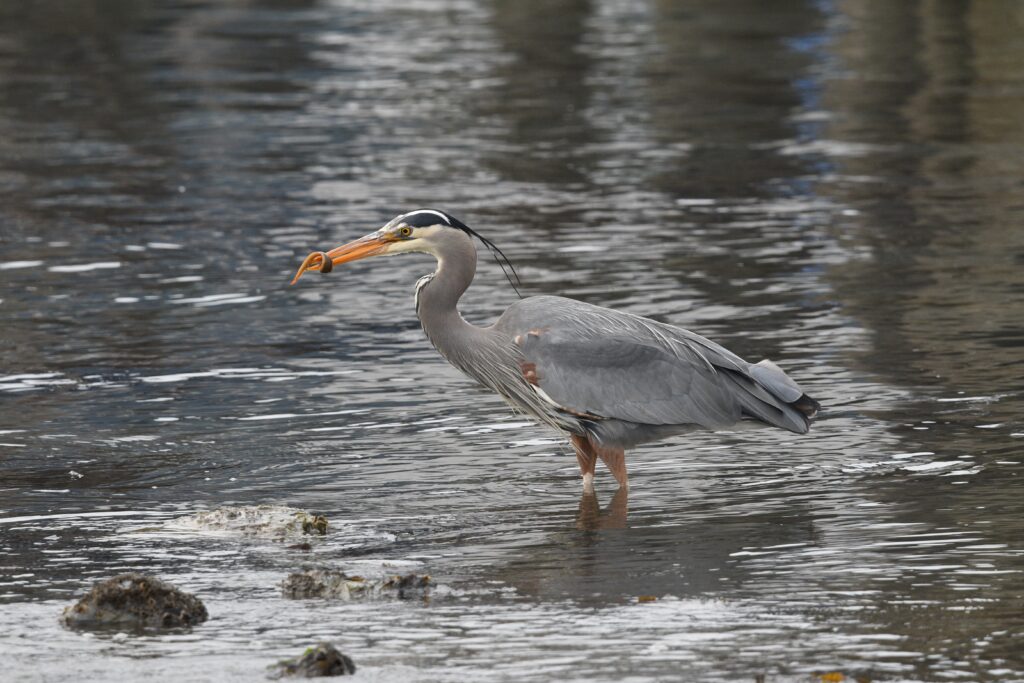
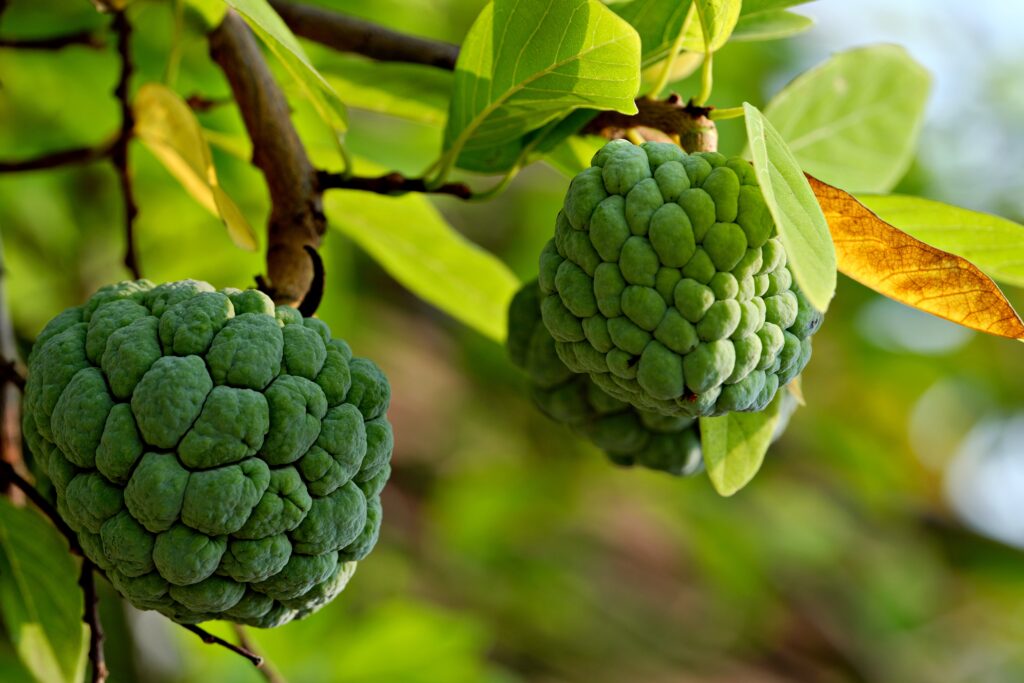
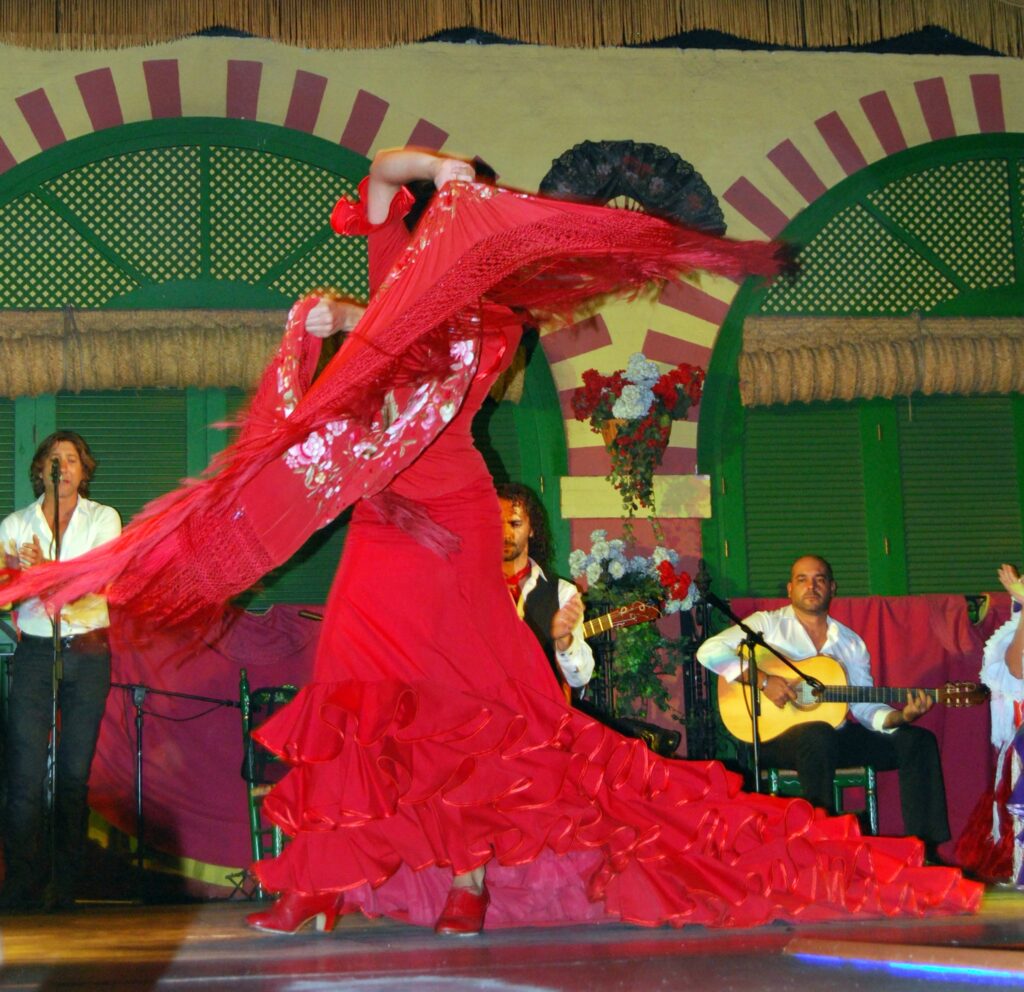
Beyond history, Salobreña offers endless experiences: walking through its subtropical plantations of mangos and chirimoyas, birdwatching along the cliffs of La Caleta, diving into water sports from snorkeling to sailing, or simply savoring Andalusian cuisine. Try the traditional dessert of leche rizada in one of the ice cream shops near the Rock, taste paella at El Peñón by the sea, and let flamenco carry you into the night with song, dance, and passion.
Salobreña is more than a village—it is a meeting of sea and mountain, legend and life, history and present. A corner of Granada where every stone and every flavor tells a story.
Leave a Reply