
The Stories Behind the Shrines and the Devotion They Inspire
For centuries, people have traveled long distances in search of spiritual renewal, hope, healing, and a sense of connection to the divine. Among the most enduring destinations for such seekers are Marian pilgrimage sites associated with reported apparitions of the Virgin Mary. Each of these places carries a unique story, shaped by the testimony of ordinary people, powerful symbolism, community devotion, and centuries of tradition.
While these sites are revered by many, the nature and authenticity of the reported supernatural experiences vary, and their recognition by the Church differs from place to place. What unites them is the profound impact they have had on millions of pilgrims, many of whom describe these journeys as transformative and life-changing.
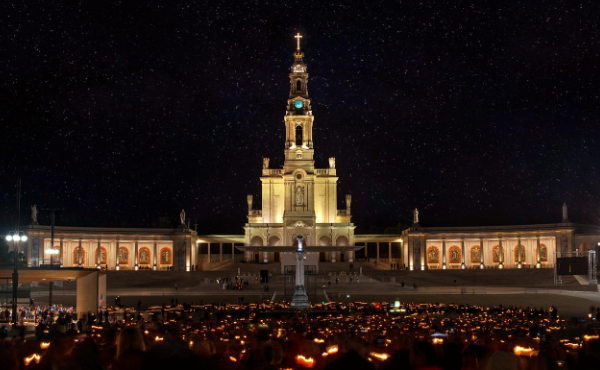
Garabandal, Spain: A Quiet Village and Extraordinary Encounters
In June 1961, a remote village in the Cantabrian mountains of northern Spain became the setting for a series of reported visions that would attract worldwide attention. Four young girls, Conchita González, Jacinta González, Mari Loli Mazón, and Mari Cruz González, claimed that they were visited by Saint Michael the Archangel and the Virgin Mary over a period of several years. Together they reported thousands of encounters in which messages were communicated, often emphasizing prayer, repentance, and devotion. These events continued through 1965 and were said to occur at all times of day and night, drawing large crowds of curious observers and devoted believers alike.
Pilgrims today still visit the quiet streets of San Sebastián de Garabandal to walk the paths where the girls reported their visions, to pray in the local church, and to reflect on the messages they say they received. Some accounts describe the girls entering states of ecstasy in the presence of visitors, leading many to view the events with awe. Others have been more cautious or skeptical. The local bishop has not declared the apparitions supernatural, which means that belief in them remains a matter of personal devotion rather than official Church teaching.
For many pilgrims, the story of Garabandal is deeply personal. Some recount moments of profound peace while praying near the rural hills. Others speak of inner conversion, renewed commitment to faith practices, or a heightened sense of the presence of the divine in everyday life.
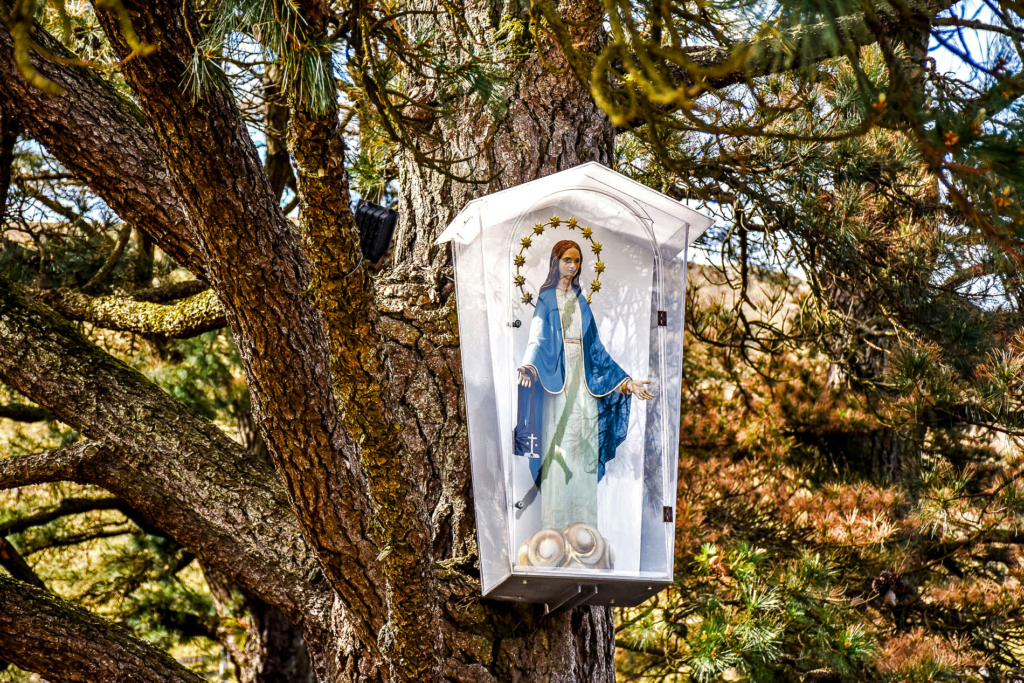
Medjugorje, Bosnia and Herzegovina: A Modern Phenomenon
Unlike some apparition sites that are firmly rooted in history, Medjugorje is a living phenomenon. It began on June 24, 1981, when six schoolchildren in the small village reported that the Virgin Mary appeared to them on a hillside near a large stone cross. The children, now adults, said that the messages emphasized peace, prayer, fasting, and conversion, and that these encounters continued for years afterward.
The phenomenon at Medjugorje differs from other reported apparitions in scale and duration. Reports from pilgrims and local accounts suggest that some of the visionaries experienced repeated apparitions over long periods, and that messages were entrusted to them about the future. Pilgrims today travel there from across the world. Many describe intense spiritual experiences, deep inner peace, conversions, answered prayers, and a profound sense of community. Pilgrimages often include climbing Apparition Hill or Cross Mountain, praying the Rosary, participating in multiple daily Masses, and engaging in confession amid a setting of serene natural beauty.
Medjugorje’s reported apparitions have not been formally approved by the Catholic Church as supernatural events. The Church acknowledges the spiritual fruits and active pilgrim devotion there but maintains discernment in interpreting private revelations.
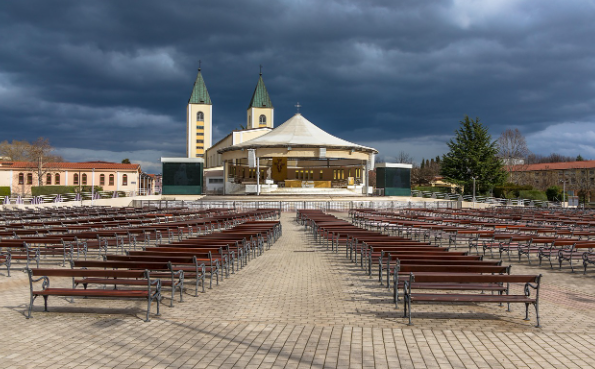
Lourdes, France: The Grotto of Healing and Hope
In 1858, a young peasant girl in the south of France changed the spiritual landscape of Europe. Fourteen-year-old Bernadette Soubirous reported eighteen apparitions of a lady in a grotto near Lourdes. Bernadette described the lady as radiant and asked her to drink from a spring that Bernadette later uncovered in the grotto. The waters that began to flow there quickly became associated with healing and miracles, attracting both the sick and the faithful. The messages of Lourdes focused on prayer, penance, and conversion, and culminated in the lady identifying herself as the Immaculate Conception.
From this humble beginning arose an immense sanctuary centered on the Grotto of Massabielle. Millions of visitors travel to Lourdes each year, many drawn by reports of miraculous healings and the chance to bathe in or drink from the spring water. Pilgrims often speak of inner healing, peace, forgiveness, and renewed faith. For many, the experience is as much about encounter and surrender as it is about extraordinary phenomena.
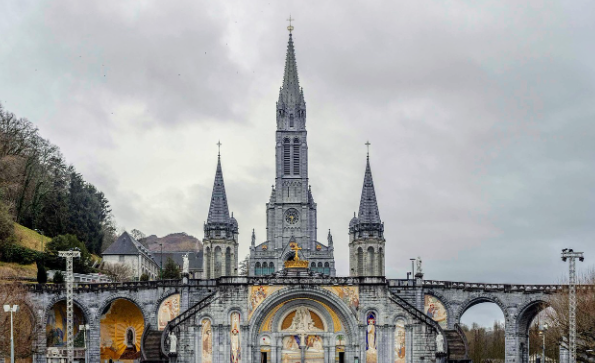
Fátima, Portugal: Shepherd Children and the Miracle of the Sun
In 1917, in the quiet fields of Fátima, Portugal, three shepherd children — Lucia dos Santos and her cousins Francisco and Jacinta Marto — reported that the Virgin Mary appeared to them six times between May and October. Her message was simple and profound: pray the Rosary, do penance for sinners, and seek peace for the world, a message that resonated deeply amid the turmoil of the First World War.
The culmination of these apparitions occurred on October 13, 1917, in an event called the Miracle of the Sun. Tens of thousands of people had gathered, and many reported witnessing extraordinary solar behavior, with the sun appearing to dance or cascade toward the earth, emitting unusual light and colors. This phenomenon was observed by devout pilgrims and curious onlookers alike.
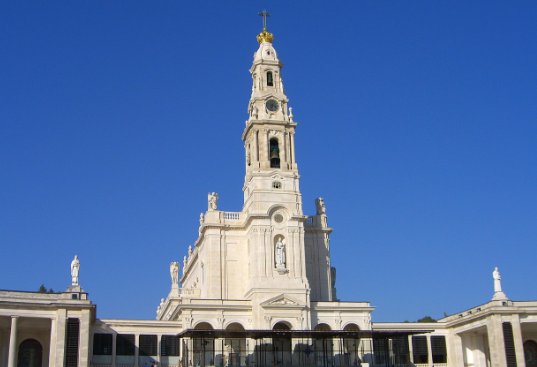
The Church recognized the Fátima apparitions as worthy of belief in 1930. Today, a basilica and expansive prayer square mark the site where the children first reported their visions, and pilgrims continue to journey there for peace, spiritual renewal, and participation in liturgies. The story also includes three “secrets” entrusted to the children, symbolic prophecies that have inspired reflection and devotion over the decades.
Shared Themes and Testimonies
Across these sites — Garabandal, Medjugorje, Lourdes, and Fátima — common threads emerge: invitations to prayer and conversion, a focus on peace and reconciliation, and encounters that prompt pilgrims to reflect deeply on their spiritual lives.
Pilgrims often describe moments of overwhelming peace, renewed commitment to faith, emotional release, and connection with others. Some speak of physical healing, while others find that their greatest change is in how they carry themselves forward in daily life.
Discernment and Contemporary Practice
Church authorities approach reported apparitions with caution. Sites like Lourdes and Fátima have been formally recognized, while Garabandal and Medjugorje remain unofficial. Modern guidance emphasizes careful evaluation, pastoral care, and the avoidance of exploitation. Pilgrimage is meant to be an expression of faith and devotion, not a spectacle.
Why People Still Journey
Whether motivated by tradition, curiosity, faith, or hope, pilgrimage to these Marian sites remains a powerful human experience. Pilgrims step onto hallowed grounds and enter centuries of devotion and witness, connecting their lives to stories of ordinary people whose extraordinary experiences continue to inspire seekers today. These sites offer history, belief, tradition, and human longing meeting in sacred spaces, inviting travelers to reflect on meaning, mystery, and mercy.
Leave a Reply